The Birth of the First Mechanical Programmable Computer
Have you ever wondered how the first mechanical programmable computer came to be? This fascinating story takes us back to the 19th century, where innovation and imagination collided to create a machine that would change the course of technology forever.
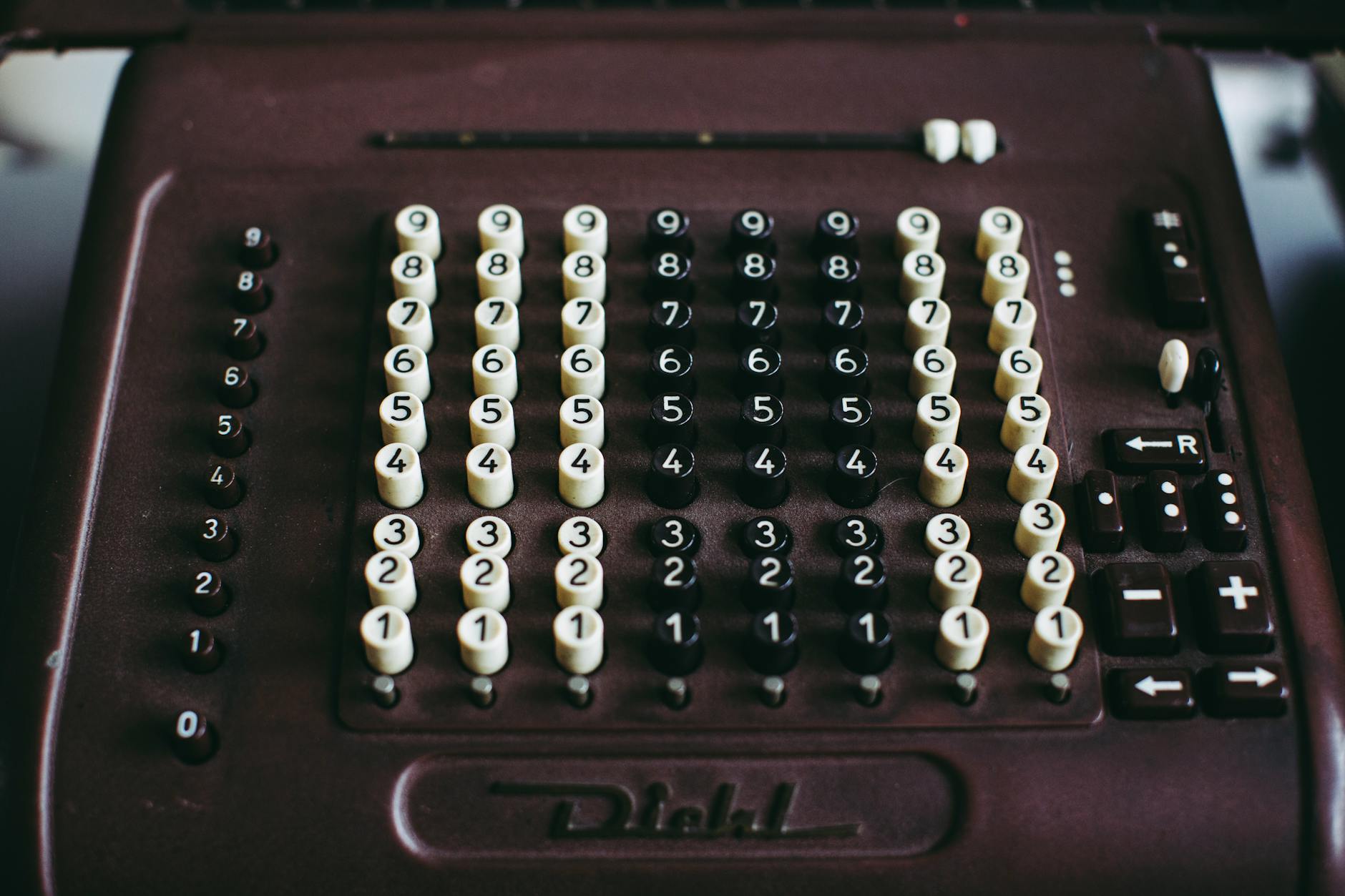
Imagine a time when computers were merely a figment of the imagination, yet one brilliant mind was busy sketching the future.
In the early 1800s, Charles Babbage, often hailed as the father of the computer, envisioned a machine that could perform complex calculations automatically.
His invention, the Analytical Engine, was revolutionary.
It wasn’t just a calculator; it was programmable, featuring components like a store for numbers and a mill to perform operations, much like a modern computer's memory and processor.
Babbage's design included a punch card system, inspired by the Jacquard loom, that allowed for instruction input.
However, despite his genius, the technology of the time couldn't keep pace with his ideas, and Babbage never completed his Engine.
Yet, he wasn't alone on this journey.
Ada Lovelace, a mathematician and a visionary in her own right, worked alongside him.
She recognized the potential of Babbage's machine, even predicting that it could create music and art.
Lovelace is often regarded as the first computer programmer for her work on the Engine's algorithms.
Their collaboration laid the groundwork for future generations.
Can you imagine how different our world would be if Babbage's vision had been realized in his lifetime?
It makes you wonder about the innovations waiting to be discovered, doesn’t it?