The Barcode: A Revolution in Retail Science
Have you ever wondered how a simple black-and-white pattern transformed shopping forever? The creation of the barcode not only streamlined retail transactions but also changed the way we track inventory and sales globally.
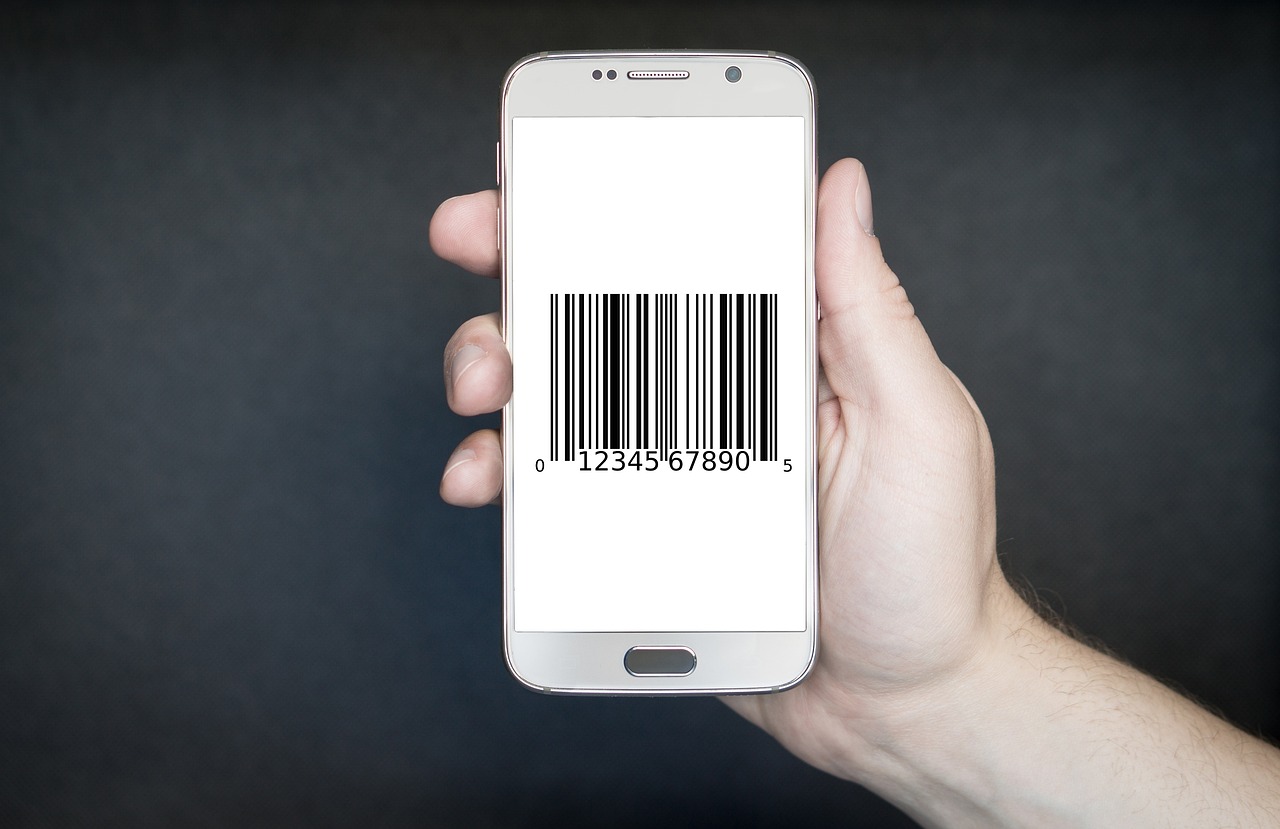
Imagine walking through a grocery store, surrounded by countless products, each one sporting a unique code.
This marvel of modern shopping—the barcode—was born in the 1950s, a time when retailers faced the daunting task of managing growing inventories.
It all started with a visionary named Norman Joseph Woodland, who, inspired by Morse code, created a way to encode product information using simple lines and spaces.
Fast forward to 1974, when the first UPC barcode was scanned at a supermarket in Ohio, marking the dawn of a new era in retail.
This simple act of scanning not only sped up the checkout process but also revolutionized inventory management.
Suddenly, businesses had real-time data on what was selling, what wasn’t, and how to optimize their stock.
It was a game changer, leading to improved efficiency and reduced costs.
Today, barcodes are everywhere—from groceries to online shopping—ensuring we can track everything with just a glance.
But what does the future hold for this ubiquitous technology?
With advancements like QR codes and smart tags, the story of the barcode is far from over.
What will be the next chapter in this fascinating journey?