The 4-Digit ATM PIN: A Blend of Memory and Technology
Have you ever wondered why ATM PINs are usually just four digits long? This seemingly simple design choice is rooted in early technology limitations and human memory capacity, shaping how we secure our banking today.
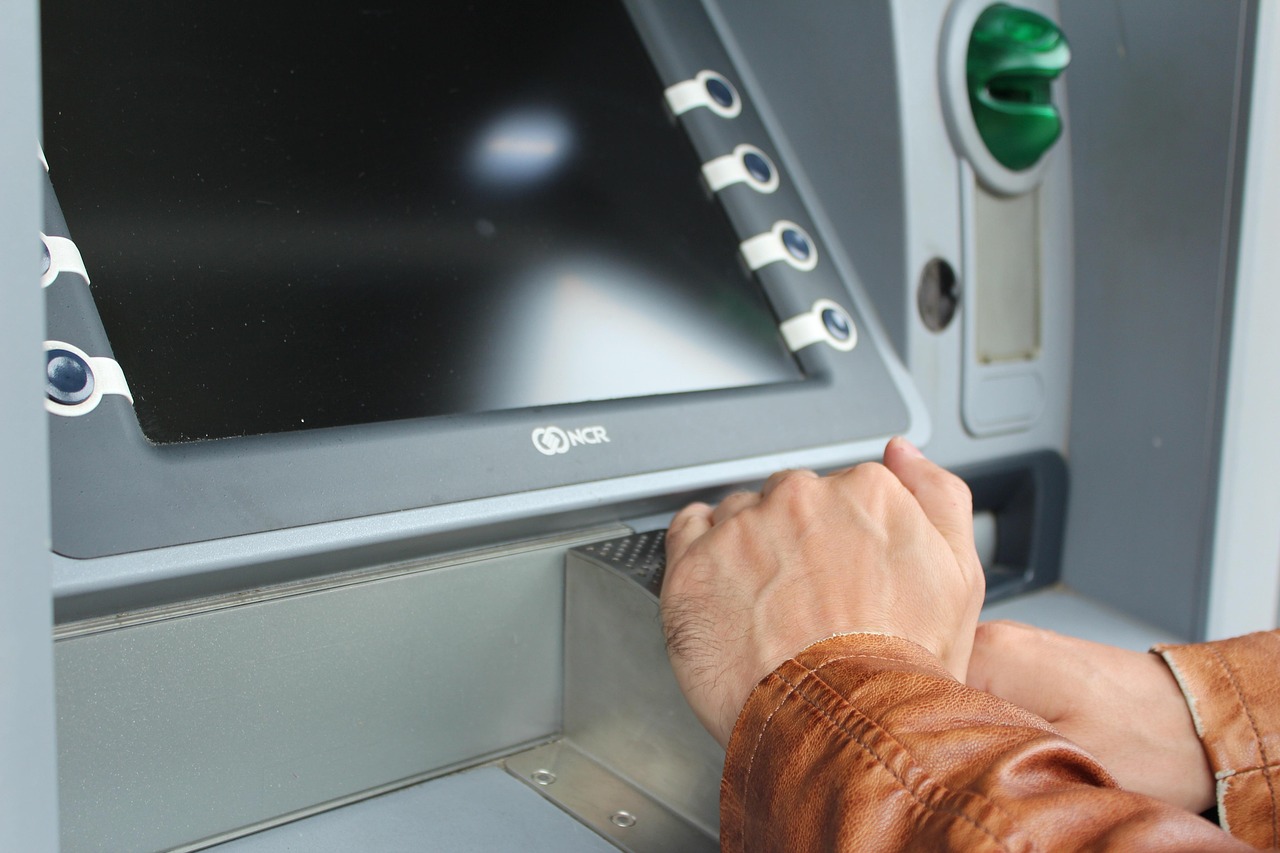
Imagine standing in front of an ATM, ready to access your hard-earned money.
You tap in a four-digit PIN—a simple code that feels second nature.
But have you ever stopped to think about why it’s just four digits?
The answer lies deep in the history of technology and human cognition.
Back in the early days of banking technology, hardware memory was quite limited.
Machines could only handle a certain amount of data, and four digits struck a perfect balance between security and simplicity.
This was a time when every byte mattered, and a longer PIN could have overwhelmed the systems of that era.
Now, consider our own memory capabilities.
Research shows that most people can comfortably remember around seven digits, give or take.
By limiting ATM PINs to four digits, banks made it easier for users to recall their codes without resorting to sticky notes or digital reminders.
However, this convenience comes with its own set of challenges.
A four-digit PIN offers only 10,000 possible combinations, making it susceptible to brute force attacks.
Yet, the banking industry has adapted, layering additional security measures like transaction limits and account monitoring to mitigate risks.
So, next time you enter your PIN, think about the blend of human memory and technological constraints that shaped this everyday banking ritual.
What other security practices have evolved from such limitations, and how might they change in our increasingly digital world?