The 16-Digit Mystery: Credit Card Numbers Unveiled
Ever wondered why your credit card has 16 digits? This format isn’t just arbitrary; it was shaped by technology and security needs. Let’s dive into how network routing limits and fraud detection systems influenced the numbers in your wallet.
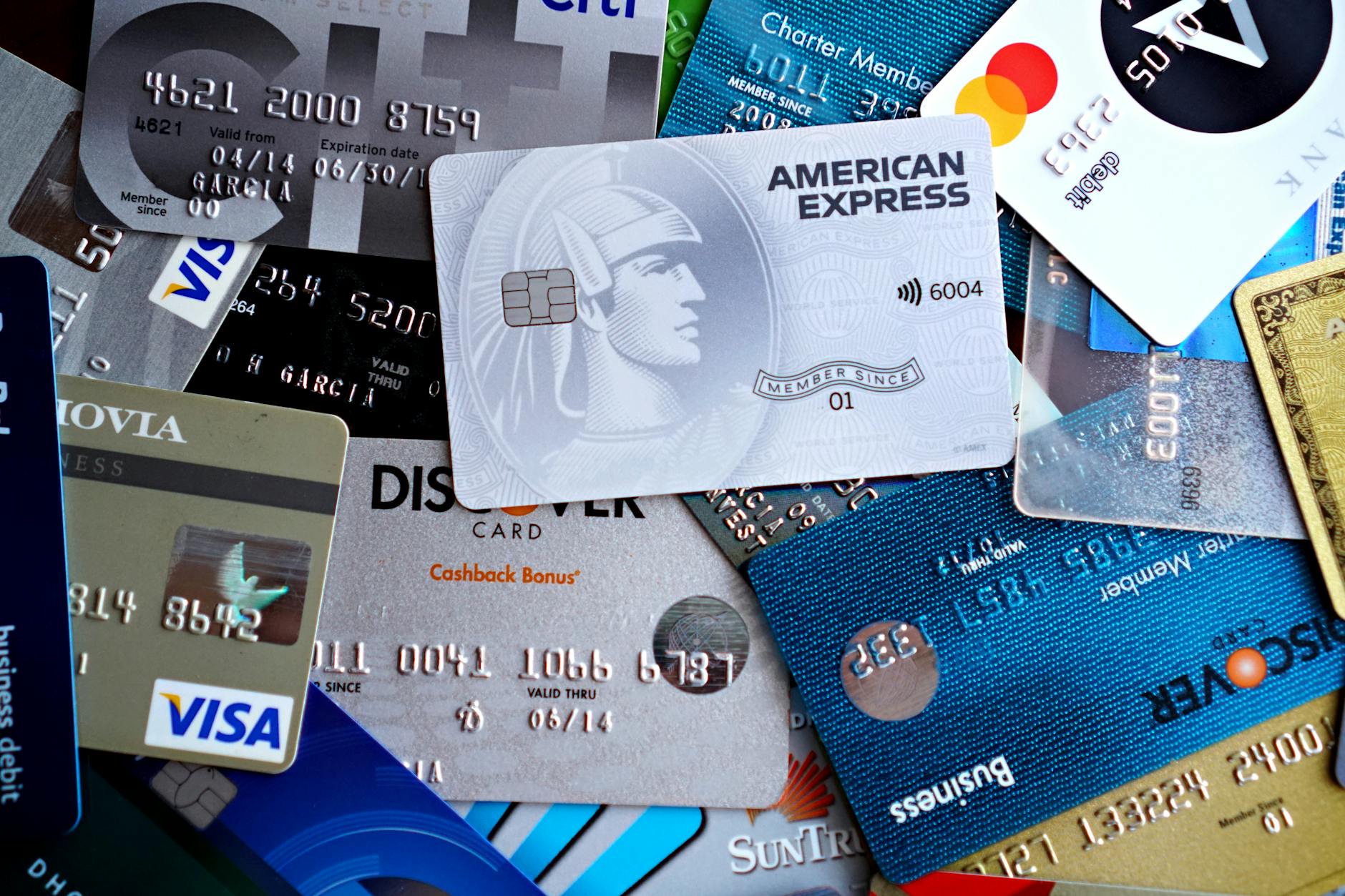
Have you ever pulled out your credit card and wondered why it has that specific 16-digit number?
It’s not just a random assortment of digits; there’s a fascinating story behind it.
You see, the 16-digit format was largely adopted because it strikes a balance between usability and technical constraints.
Back in the day, as the credit card industry grew, so did the need for a standardized system that could efficiently route transactions through various networks.
This 16-digit format allows enough combinations to accommodate millions of users while ensuring that transactions can be processed swiftly and accurately.
But it’s not just about routing.
Fraud detection systems also played a crucial role in shaping this number scheme.
With the rise of electronic transactions, security became paramount.
The first few digits of your card number identify the card issuer and the type of card, while the final digits are often used for error-checking and validation.
This built-in structure helps to detect fraudulent transactions before they even happen.
So, next time you swipe your card, just think about how those seemingly random digits are the result of careful planning and the need for security in our increasingly digital world.
Isn’t it intriguing how something so common has such a complex background?
What other secrets might your everyday financial tools hold?