Tagore's Educational Philosophy
Analyzing Tagore's approach to education and its implications for contemporary educational policies links his ideals to modern pedagogical discussions.
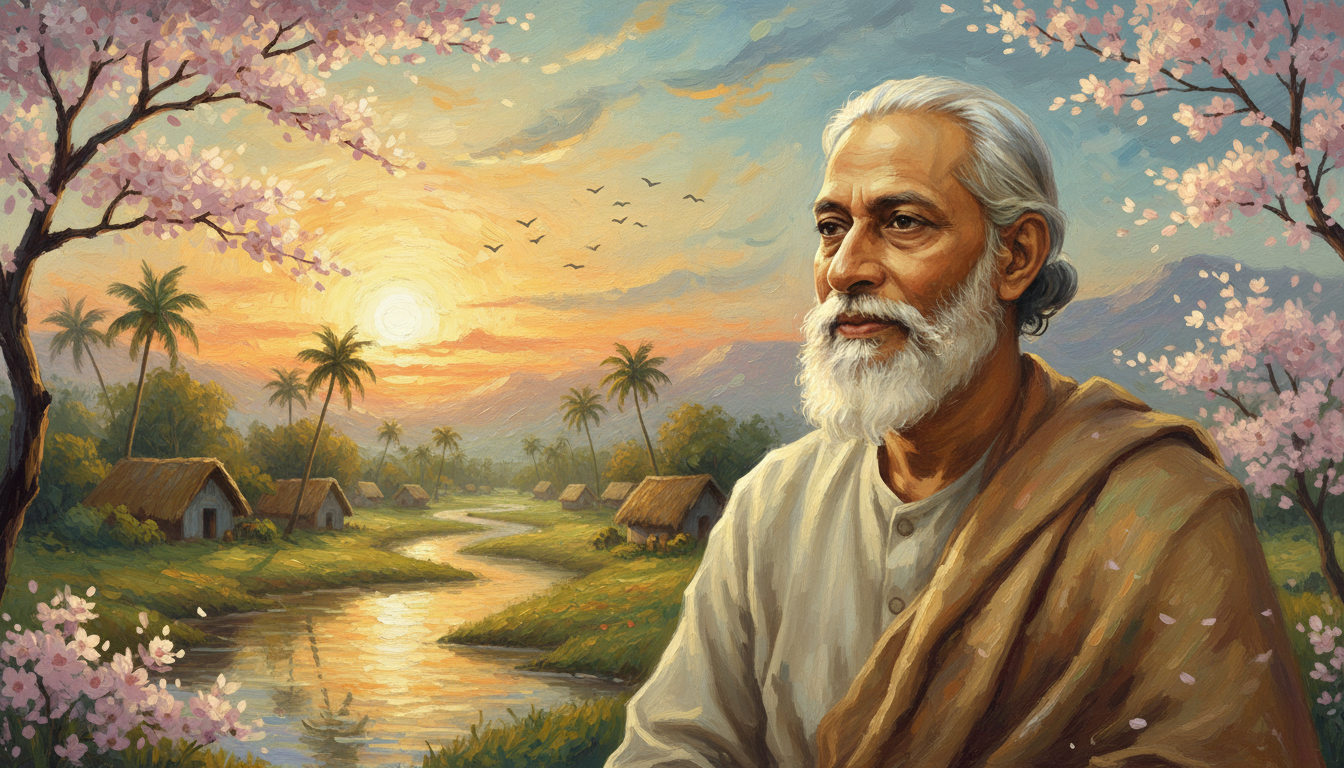
Rabindranath Tagore envisioned education as a holistic process, emphasizing the development of the individual's character alongside intellectual growth.
He believed that education should foster creativity and a connection to nature, contrasting sharply with the rote learning prevalent in colonial education systems.
Tagore established the Shantiniketan school, promoting an open-air learning environment that encouraged students to engage with their surroundings and learn through experience.
His philosophy advocates for a balance between the head, heart, and hands, suggesting that education should prepare students not just for jobs but for life.
This approach resonates with contemporary educational reforms aimed at nurturing critical thinking and emotional intelligence, making Tagore's insights relevant for today's policymakers.
In the context of competitive exams, understanding such philosophical frameworks can enhance essay responses in mains, while Prelims may test knowledge of historical educational institutions.
This exploration of Tagore's ideals bridges the past with ongoing debates about education reform.