Roman Concrete's Hidden Strength
The innovative techniques behind Roman concrete, much like the Baghdad Battery, illustrate the advanced engineering knowledge of ancient civilizations that still puzzles modern science.
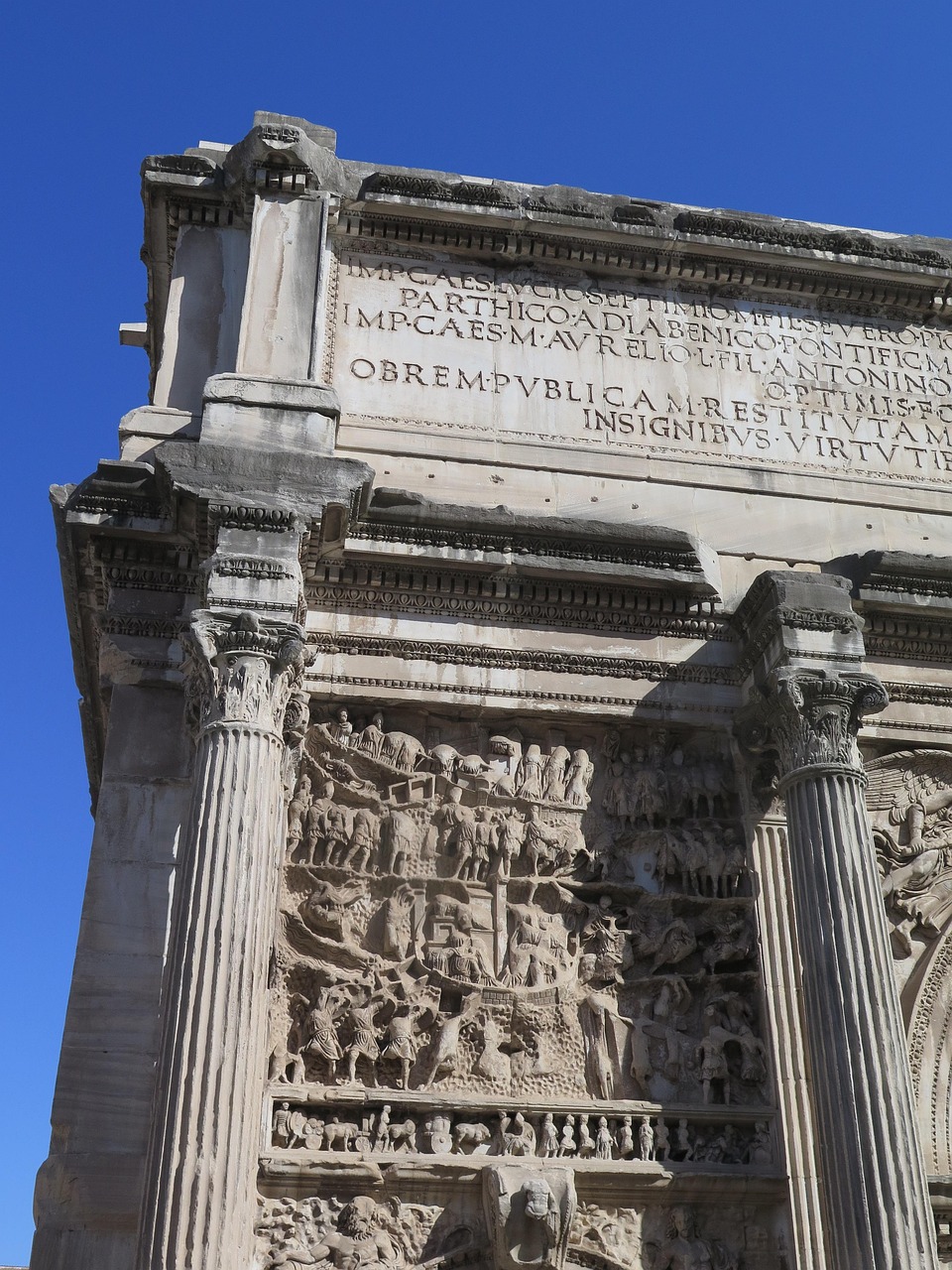
Imagine walking through the ruins of Pompeii, where time has stood still since that fateful day in 79 AD.
You might be struck by the intricate details of the architecture, the vibrant frescoes, and the sheer grandeur of buildings that have withstood centuries of wear.
But here’s the kicker: the secret to their endurance isn’t just in the craftsmanship; it lies in the very material they used—Roman concrete.
Unlike today's concrete, which can crumble within decades, Roman concrete has survived for over two millennia.
It’s a mesmerizing mix of volcanic ash, lime, and seawater that, when combined, creates a chemical reaction allowing it to strengthen over time.
The Romans were not just builders; they were alchemists of their own kind.
This ancient concoction is so durable that modern scientists still struggle to replicate its resilience.
Why does this matter?
It reveals a profound understanding of materials that we often overlook in our pursuit of progress.
So, the next time you admire a modern structure, think about the ancient secrets that might just hold the key to its longevity.
What other forgotten techniques from history might still hold the answers to today’s challenges?