Rediscovery of Pompeii in the 18th Century
The excavation of Pompeii sparked a wave of interest in classical antiquity that influenced art and architecture during the Enlightenment.
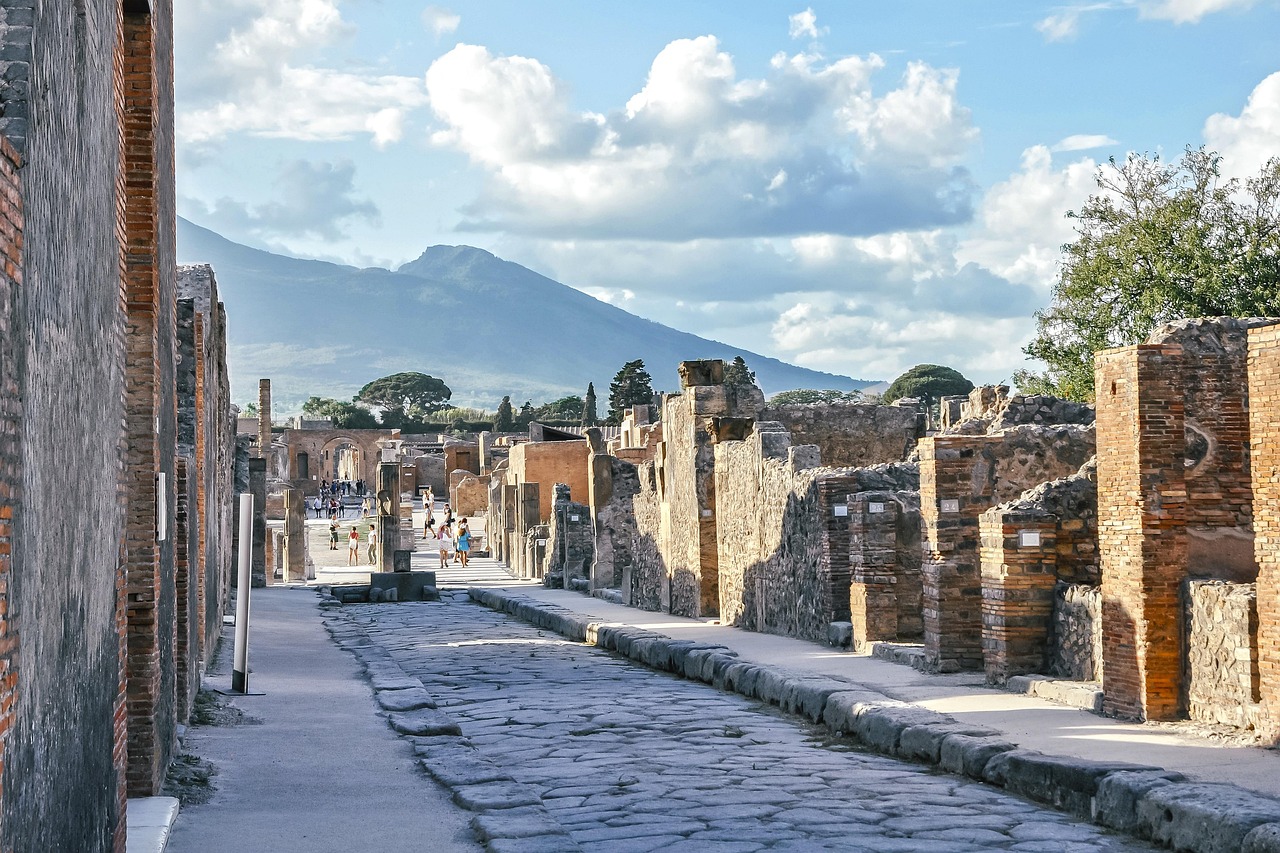
In 1748, a group of workers digging for clay stumbled upon a hidden world buried beneath layers of ash and stone—Pompeii, a city frozen in time.
Imagine the astonishment of these laborers as they unearthed streets lined with homes, vibrant frescoes still clinging to the walls, and even the tragic remains of those who were caught in the catastrophic eruption of Mount Vesuvius in 79 AD.
This wasn’t just a rediscovery of ruins; it was like finding a forgotten treasure chest filled with the secrets of a civilization that had thrived and then vanished in an instant.
The insights gained from Pompeii ignited a fervor for classical antiquity during the Enlightenment, influencing artists and architects who were eager to replicate the beauty of ancient Rome in their own works.
The twist?
While many viewed these excavations as mere archaeological digs, they inadvertently sparked a cultural revolution that would redefine art and architecture across Europe.
Suddenly, the styles of the past weren’t just history; they became the foundations for a new artistic movement.
This rediscovery made people reconsider their own identities and histories, weaving a rich tapestry that connected the past and present in ways they had never imagined.
And so, the ashes of Pompeii didn’t just reveal a city; they breathed new life into the world of art and ideas.
What other hidden treasures lie waiting, just beneath the surface, ready to reshape our understanding of history?