Radcliffe Line Controversy
The arbitrary demarcation of the Radcliffe Line, which divided India and Pakistan, sparked disputes and violence, exemplifying the chaos of territorial division.
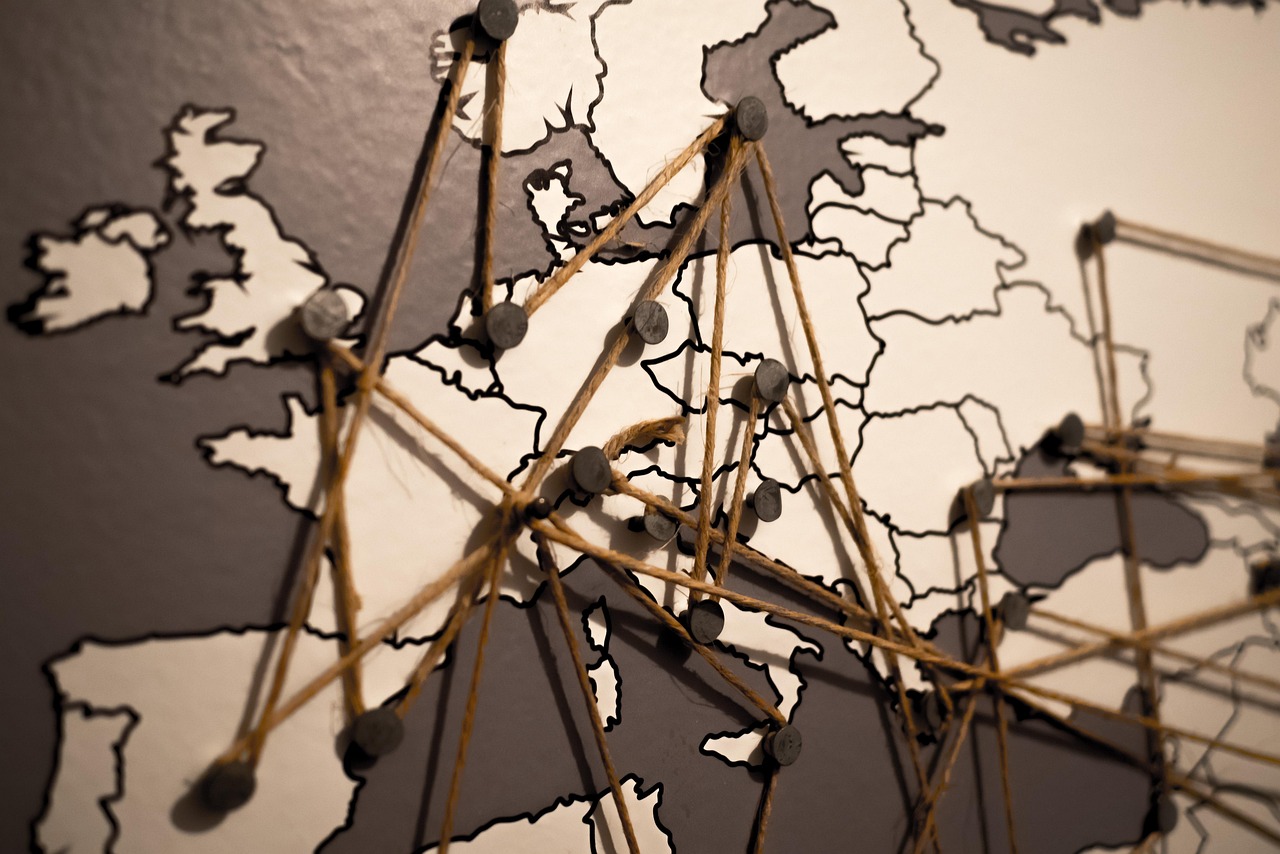
In 1947, a line drawn on a map sparked not just a division, but a humanitarian crisis that would echo through decades.
As British India was split into two newly independent nations—India and Pakistan—a man named Cyril Radcliffe was given the monumental task of determining this boundary.
Having never set foot in India before, Radcliffe was thrust into a whirlwind of political turmoil, religious conflict, and cultural chaos.
With just a few weeks to decide, he used arbitrary criteria, often disregarding the complex realities of the people living there.
The result?
The Radcliffe Line, a border that sliced through communities, families, and lives like a hot knife through butter.
When the line was revealed, chaos erupted; millions were uprooted, and violence flared as communities turned against one another.
The tragic irony?
Radcliffe himself never saw the impact of his decision, as he left India before the lines were even drawn.
He later remarked that he felt like a ‘butcher’ for the bloodshed that followed.
This moment in history reminds us that borders are not just lines on a map; they are lifelines for real people, and their arbitrary creation can lead to unfathomable suffering.
What if the lines we draw today could have consequences we can't yet imagine?
Just as the Radcliffe Line changed lives overnight, what other divisions are shaping our world in ways we don't yet see?