Qawwali as a Sufi Tradition
Exploring Qawwali will provide insight into a specific form of Sufi music that embodies the spiritual and devotional aspects discussed, thus expanding understanding of the genre.
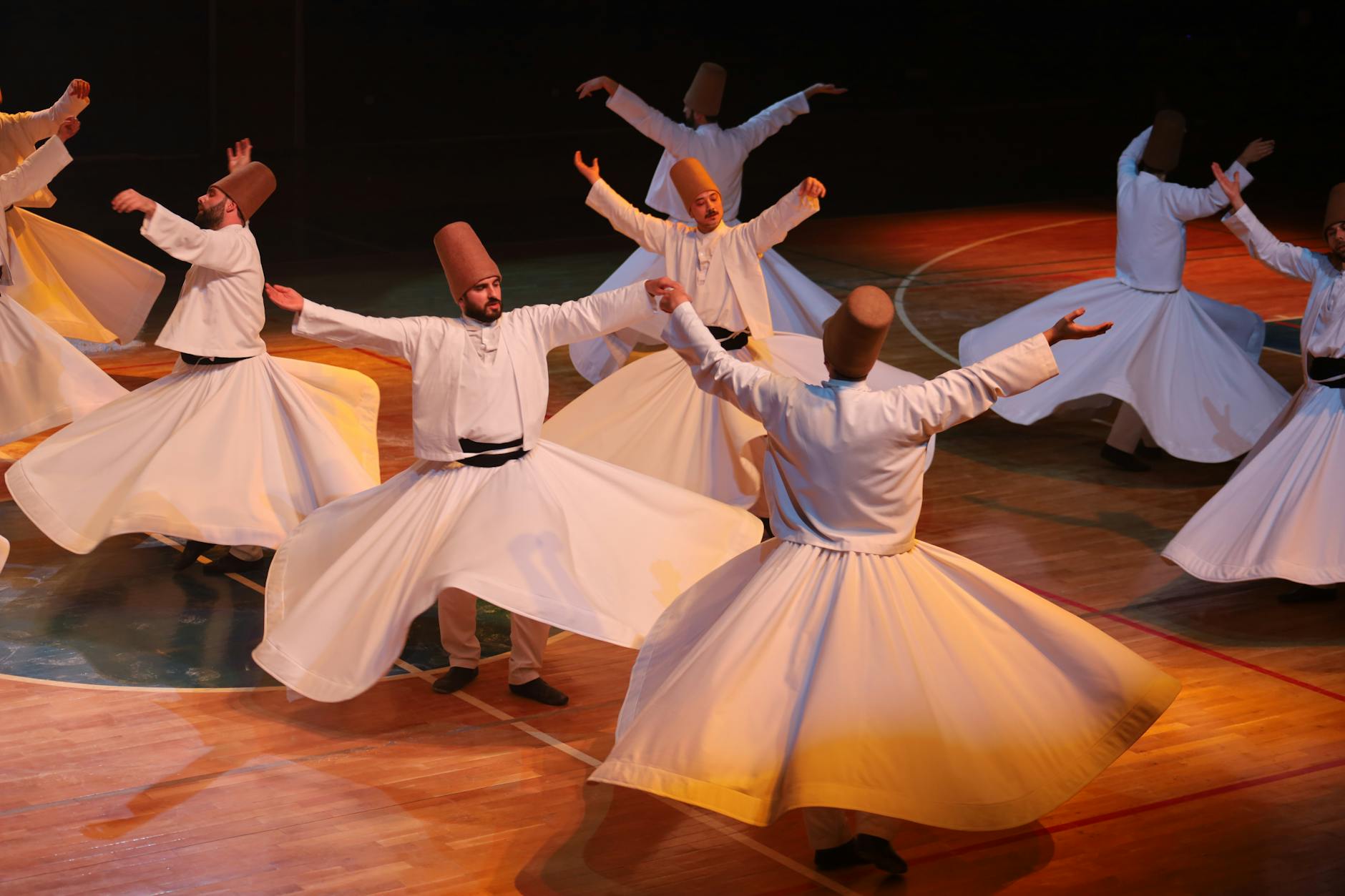
Qawwali is a vibrant form of Sufi devotional music that originates from the Indian subcontinent, deeply intertwined with the teachings of Sufism, which emphasizes love and divine connection.
This music employs a rich tapestry of poetic lyrics, often in Urdu or Punjabi, that express longing for God, utilizing improvisation and call-and-response formats to engage the audience emotionally.
Historically, Qawwali emerged in the 13th century, gaining prominence through the teachings of saints like Amir Khusrow and later through influential figures such as Nusrat Fateh Ali Khan.
Its performance typically occurs at Sufi shrines, known as dargahs, creating a communal atmosphere that fosters spiritual transcendence.
In the context of exams, understanding Qawwali's cultural significance can differentiate between mere recognition in Prelims and deeper analysis in Mains, especially regarding its influence on contemporary music and social movements.
This exploration leads us to other forms of devotional music that have emerged across cultures.