Pope Stephen VI's Rise to Power
Pope Stephen VI orchestrated the Cadaver Synod to assert his authority and eliminate rivals, reflecting the cutthroat nature of papal politics in the 9th century.
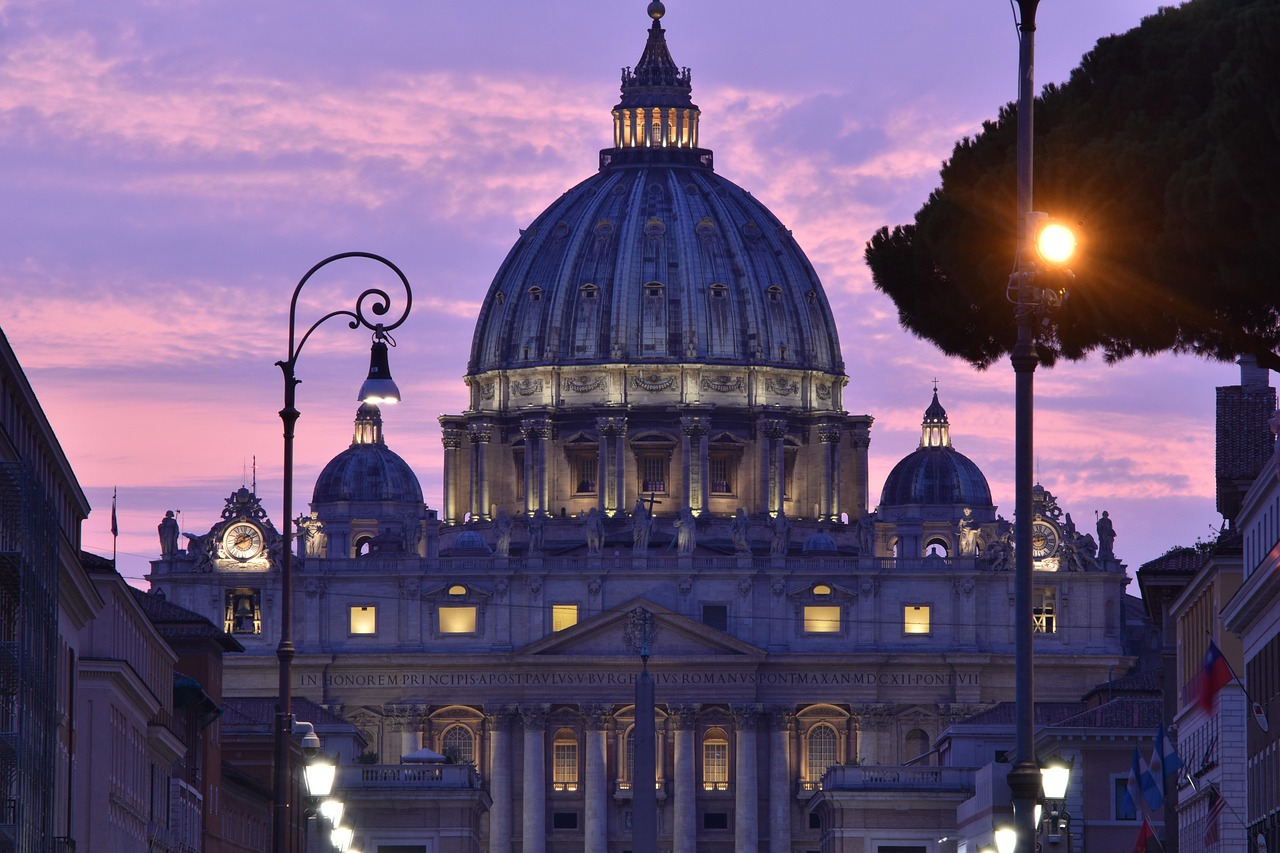
In the heart of Rome, in the year 897, a bizarre spectacle unfolded that would shock the world.
Pope Stephen VI, a man driven by ambition and a thirst for power, decided to unearth a scandal buried deep in the past.
What better way to assert his authority than to put his predecessor on trial?
But this was no ordinary trial; the defendant was none other than Pope Formosus, who had died nearly a year earlier.
Stephen had his remains exhumed and dressed in papal vestments, propped up on a throne in front of the court.
The living clergy and citizens looked on in disbelief as Stephen, filled with fervor, accused the rotting corpse of various crimes, from holding the papacy illegitimately to violating sacred laws.
The surreal nature of the Cadaver Synod shocked even the most seasoned of Roman citizens, but for Stephen, it was a calculated move to eliminate his rivals and solidify his own power amidst the ruthless politics of the Vatican.
In a twist of fate, the trial ended with Formosus found guilty, and his corpse was stripped of its papal garments and thrown into the Tiber River.
This grotesque event not only revealed the extreme lengths one would go to for power but also marked a low point in the history of the papacy, illustrating how the very institution meant to lead in faith was instead entangled in scandal and manipulation.
As the waves washed away the remains of a long-deceased pope, the boundaries of morality blurred in the pursuit of authority.
What other shocking truths lie beneath the surface of history, waiting to be unearthed and examined?