Polaroid and Pop Art Movement
The rise of Polaroid coincided with the Pop Art movement, influencing artists like Andy Warhol to explore new forms of visual expression.
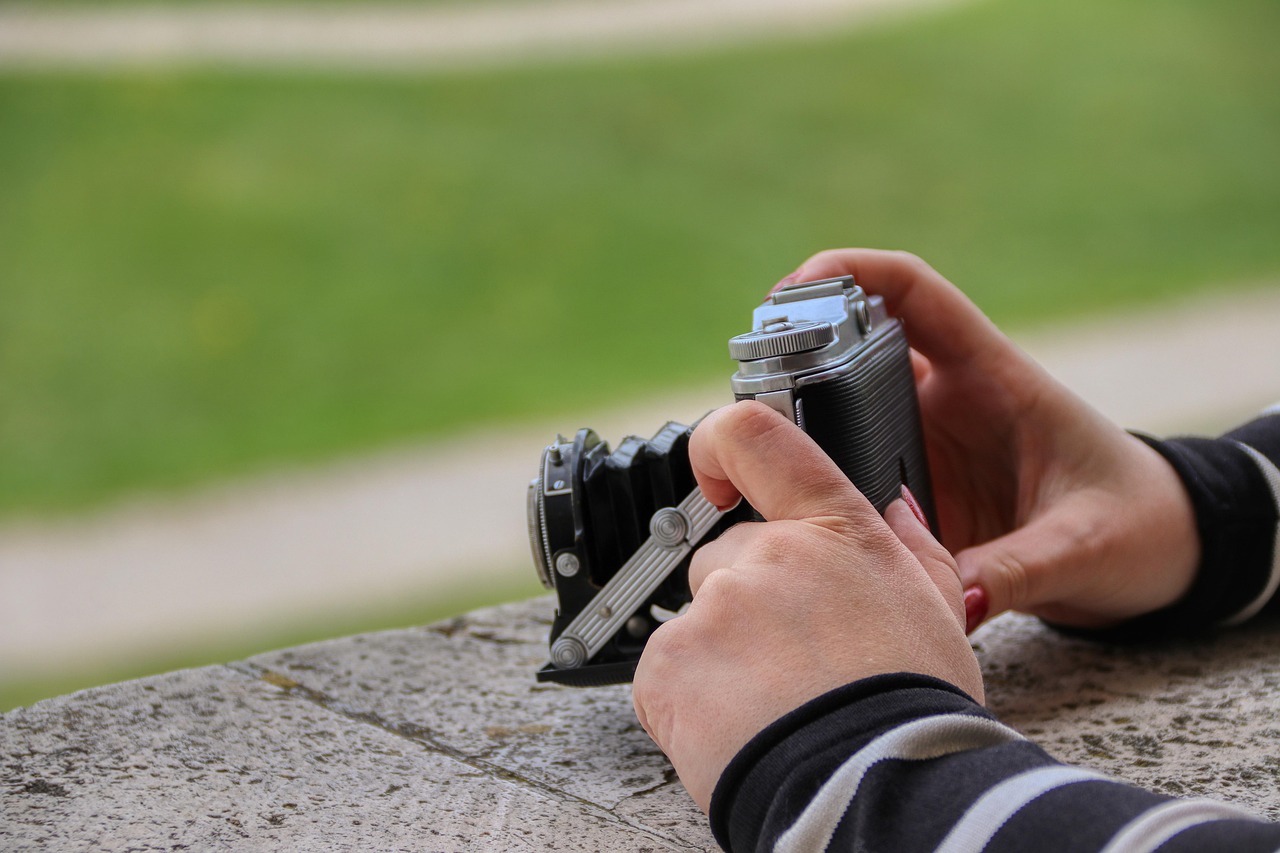
In the bustling streets of New York City during the 1960s, a revolutionary camera was changing the way people saw the world.
The Polaroid instant camera, with its promise of instant gratification, was capturing moments in a flash.
But what many don’t realize is that this new technology didn’t just change photography; it became a crucial tool for artists during the rise of the Pop Art movement.
Imagine Andy Warhol, that iconic figure with his wild silver wig and vibrant studio, The Factory, surrounded by the buzz of creativity.
He was captivated by the Polaroid’s unique ability to produce vivid images in seconds.
With each click, he transformed mundane objects like soup cans and celebrity faces into art, blurring the lines between commercialism and high art.
The twist?
Warhol’s use of Polaroids wasn’t just about convenience; it was a statement against the polished perfection of traditional art.
He embraced the raw, spontaneous quality of these instant photos, making art accessible and relatable.
This fusion of technology and creativity challenged societal norms and paved the way for future artists.
So, next time you snap a quick selfie, remember how a simple camera once sparked a cultural revolution.
What other everyday objects might be hiding secrets of innovation and artistry?