NASA's Use of Velcro in Space
The practical applications of adhesives in everyday life mirror how NASA adapted Velcro for zero-gravity environments, showcasing innovative problem-solving across fields.
In the 1960s, as astronauts prepared for the Apollo missions, they faced a perplexing problem: how to keep their tools and equipment from floating away in the weightlessness of space.
Imagine a wrench drifting off into the vastness of the cosmos!
Enter a simple yet revolutionary solution: Velcro.
Originally invented by a Swiss engineer who was inspired by burrs sticking to his clothes during a hike, this humble fastener found its way into the hearts—and hands—of NASA engineers.
They realized that in a zero-gravity environment, the ability to quickly secure and release items was essential for maintaining focus on their monumental tasks.
With Velcro, astronauts could stick tools to the walls of the spacecraft or their suits, ensuring nothing would go adrift.
The insight?
This everyday household item transformed how we approach problem-solving in extreme conditions.
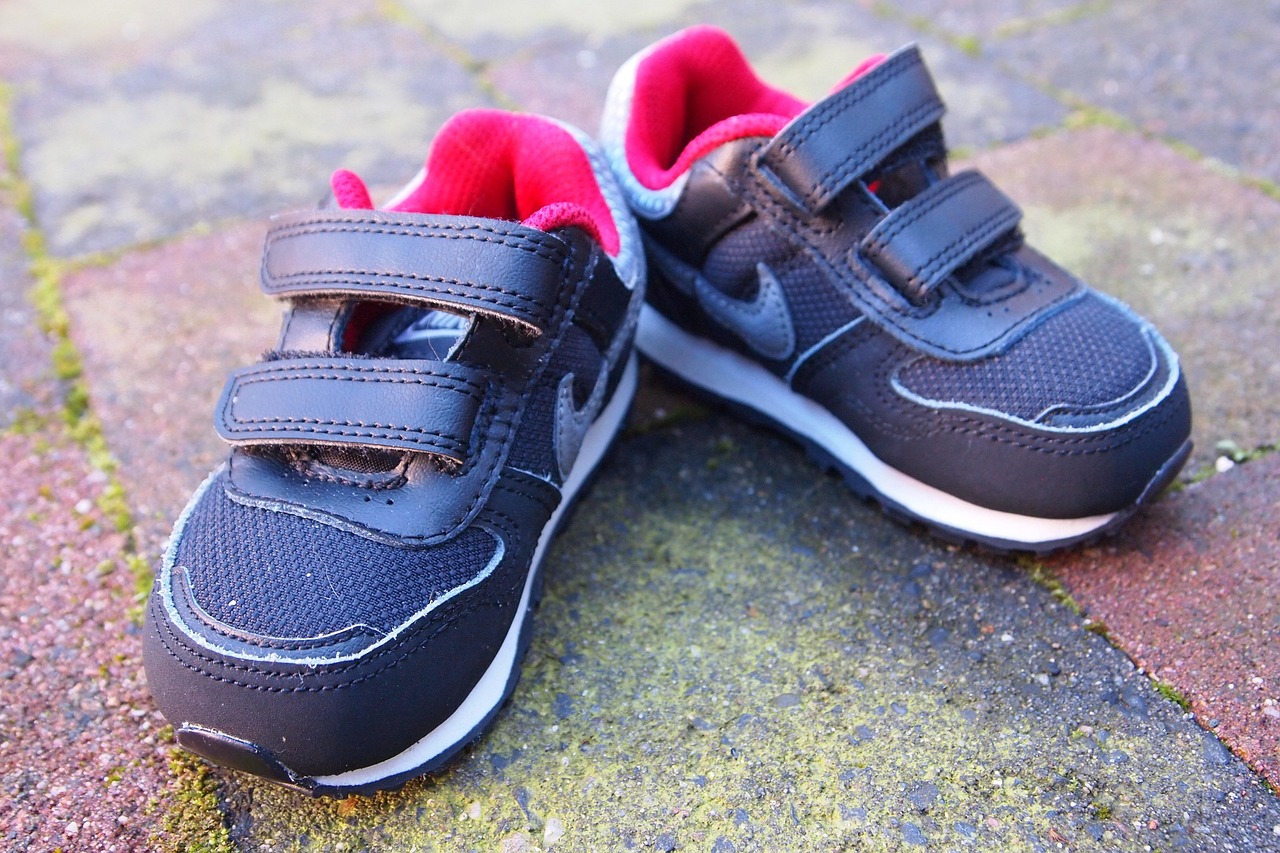
Today, Velcro is more than just a way to keep shoes from slipping off; it’s a symbol of creative thinking and adaptability, not just in space but in our daily lives.
So, the next time you fasten your shoes or open a bag, remember: a little innovation can go a long way.
And speaking of innovations, did you know there’s a material that can actually repair itself when damaged?
What could that mean for the future of engineering?