Mahatma Gandhi's Role in Integration
Exploring Mahatma Gandhi's influence on the integration of princely states highlights the intersection of nonviolent resistance and political strategy during India's independence.
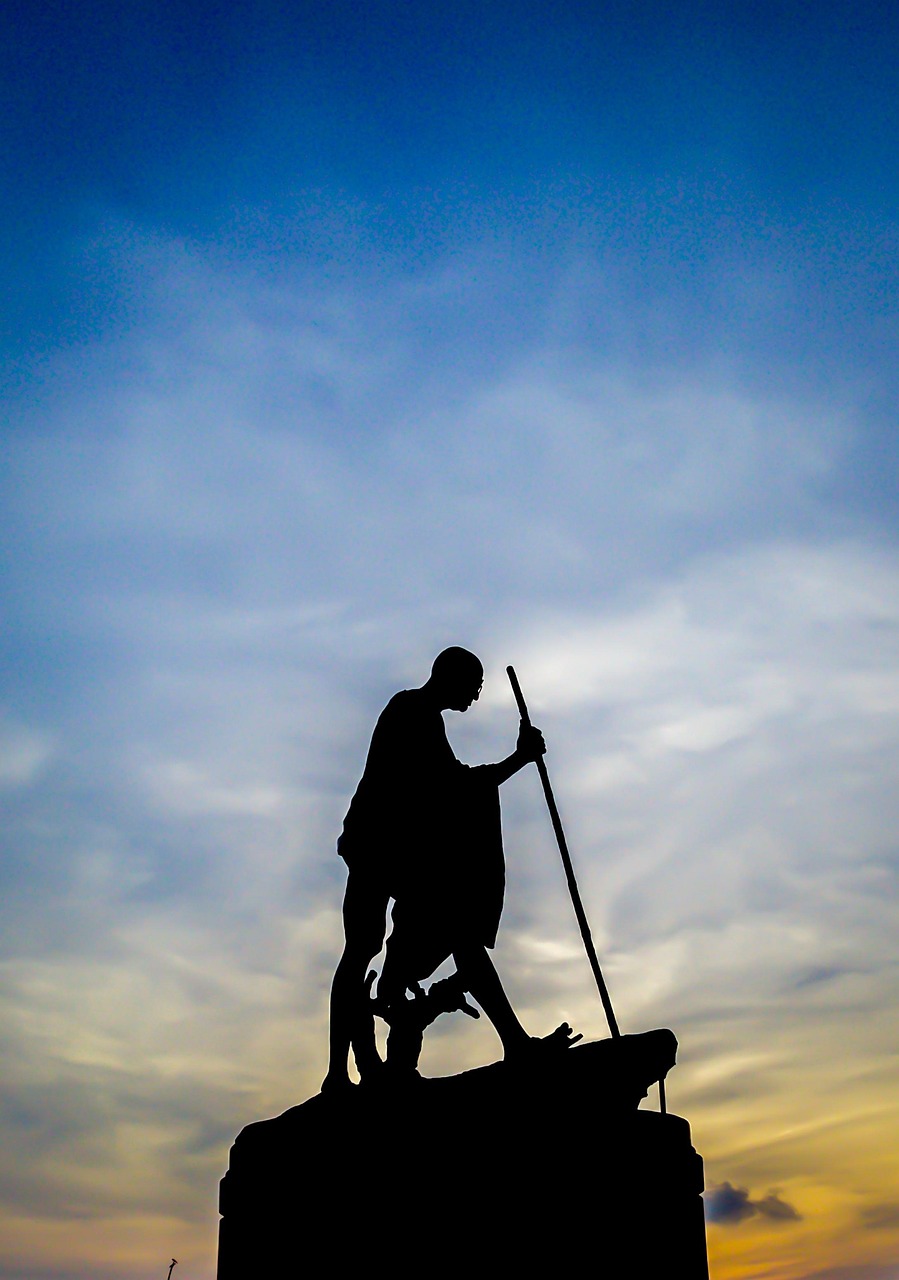
In 1947, as India was on the brink of becoming independent, a peculiar challenge loomed on the horizon.
Over 500 princely states stood on the verge of deciding their own fate, and chaos threatened the nascent nation.
Enter Mahatma Gandhi, not with weapons or force, but with a vision of unity and a spirit of nonviolence.
He believed that the heart of India beat in its diversity, yet it needed to come together as one.
Gandhi famously said, 'You must be the change you wish to see in the world,' and that notion fueled his efforts.
He engaged in a series of dialogues, emphasizing the power of persuasion over coercion.
As he walked through villages, he spoke to the rulers, urging them to join the Indian Union, painting a picture of a strong and united country.
But here's the twist: while many princely states were hesitant, it was Gandhi's moral authority and nonviolent philosophy that ultimately swayed many to integrate peacefully, avoiding potential bloodshed and chaos.
The significance here is profound—Gandhi's approach not only reshaped India's political landscape but also established a legacy of peaceful resistance that influenced movements worldwide.
Imagine if history had taken a different turn; the fabric of modern India could have looked vastly different.
And as we ponder Gandhi's remarkable impact, one must wonder: what other pivotal moments in history were swayed by the quiet strength of nonviolence?