Indian Independence Act of 1947
This act is a significant application of the nationalist sentiments that were heightened by events like the Jallianwala Bagh Massacre, marking the transition from protest to independence.
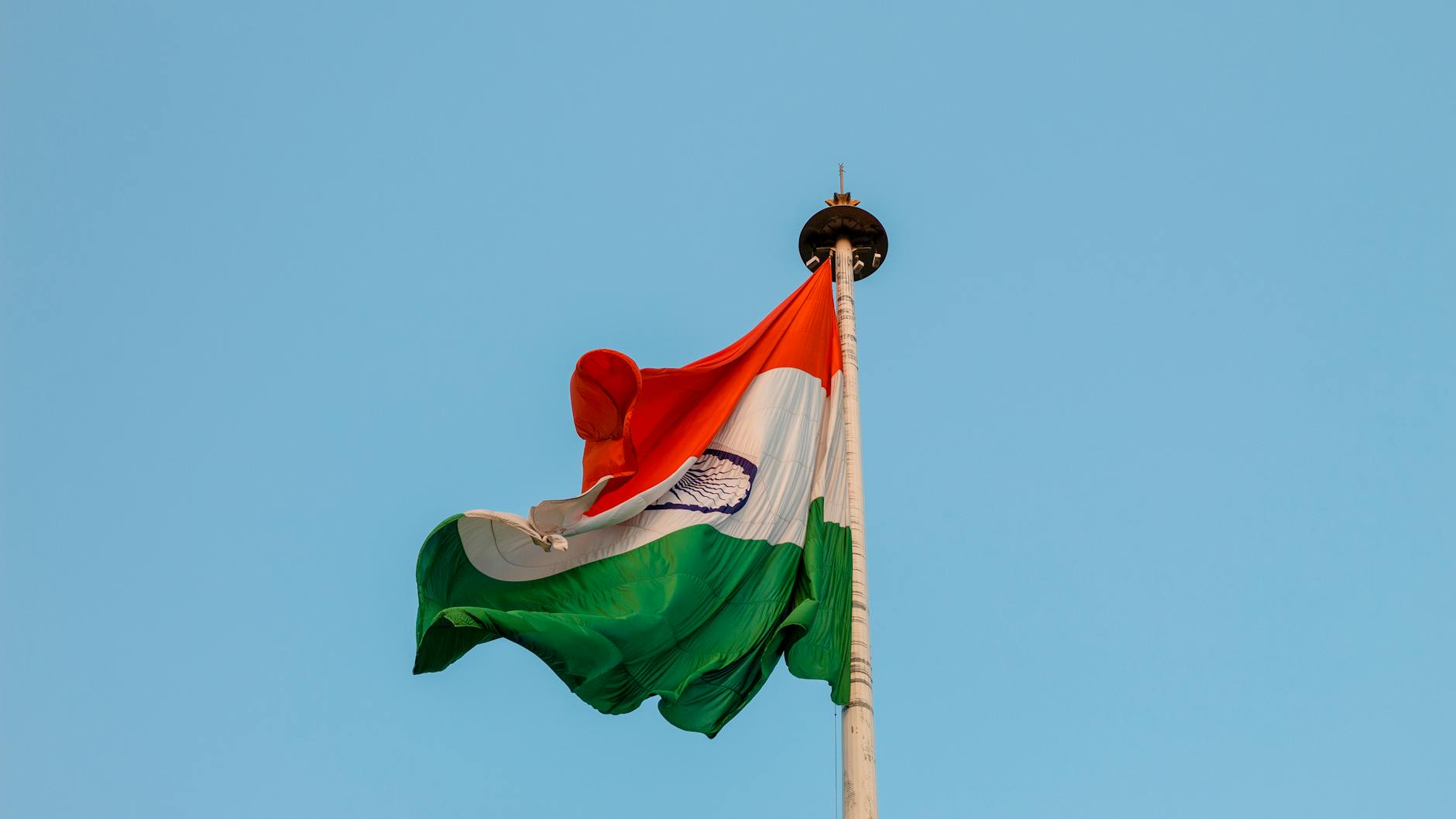
The Indian Independence Act of 1947 was a landmark legislation passed by the British Parliament that granted India independence from British rule on August 15, 1947.
The act was drafted against the backdrop of growing nationalist movements and civil disobedience, particularly following events like the Jallianwala Bagh Massacre in 1919, which intensified calls for self-rule.
It partitioned British India into two sovereign states, India and Pakistan, effectively addressing the demand for a separate Muslim nation.
The act stipulated the transfer of power to Indian leaders, the formation of Constituent Assemblies, and set forth the framework for the governance of the newly independent nations.
This significant turning point in Indian history not only marked the end of colonial rule but also laid the foundation for future political and social dynamics in the subcontinent, influencing communal relations and the geopolitical landscape in South Asia.