Hyderabad's Unconventional Accession
The unique circumstances surrounding Hyderabad's decision to join India in 1948 reveal the intricate power dynamics and local resistance in the decolonization process.
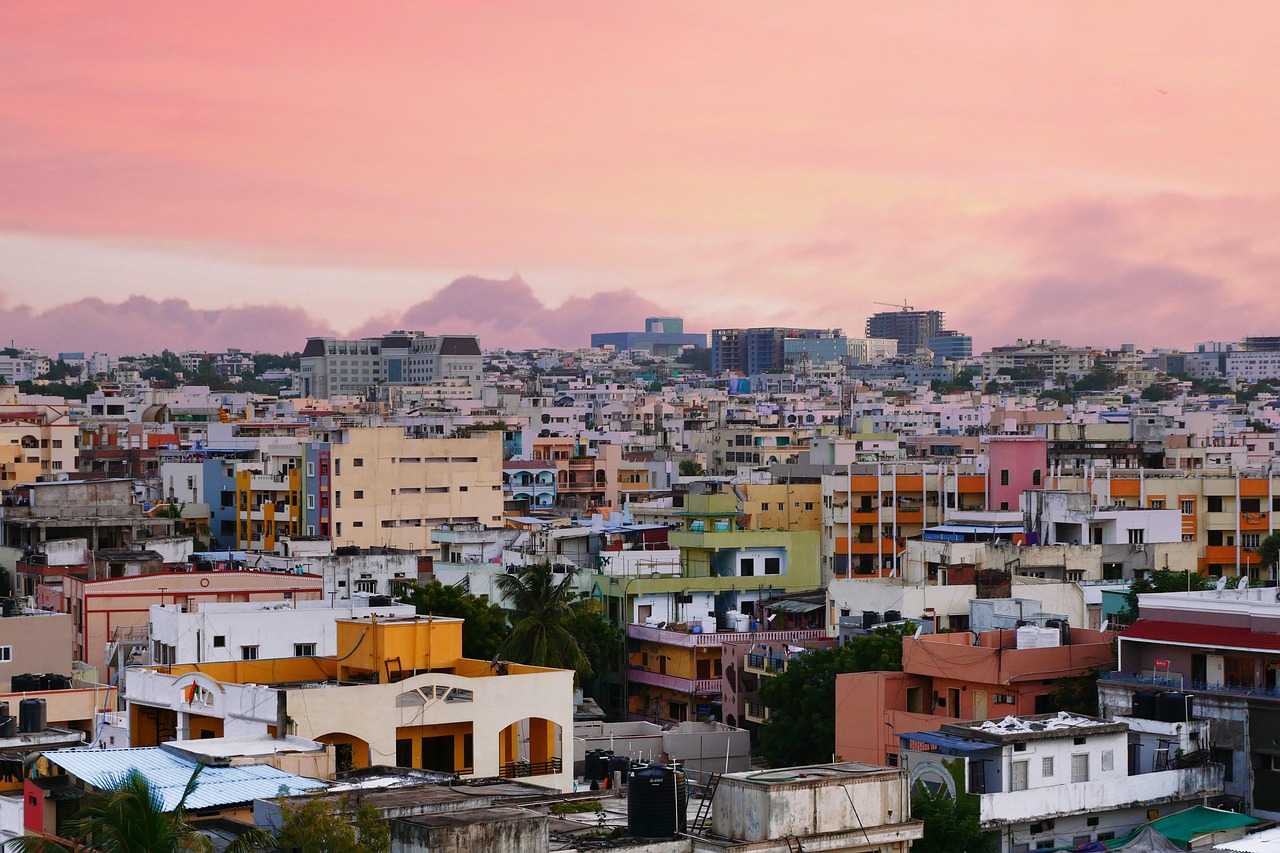
In 1948, a princely state in India made headlines for an unexpected reason: it didn’t want to join the newly independent nation.
Hyderabad, ruled by the Nizam, was a land of wealth and culture, where palaces gleamed and the aroma of biryani filled the air.
But behind this dazzling facade lay a complex web of politics and resistance.
The Nizam, believing in his sovereignty, held out against joining India, even as the country was grappling with the aftermath of partition.
Tensions escalated, and the local population, weary of feudal rule, began to push back against the Nizam's authority, leading to a burgeoning movement for integration with India.
But here’s the twist: it took a military operation, known as Operation Polo, to effectively bring Hyderabad into the Indian Union.
This operation was swift and decisive, leading to the Nizam's surrender in just five days.
As Indian troops marched into Hyderabad, the clash of ideologies revealed the fraying edges of colonialism and the fierce desire for self-determination.
Why does this matter?
It shows us that the path to independence wasn’t just a straightforward march towards freedom; it was filled with conflicts, negotiations, and the struggle of ordinary people against a ruling class.
And as we reflect on these events, we might wonder: what other hidden stories of resistance shaped the countries we know today?