Hubble Space Telescope's Discoveries
The Hubble Space Telescope has provided groundbreaking images and data about distant galaxies and cosmic phenomena, significantly enhancing our understanding of the universe's structure and evolution,
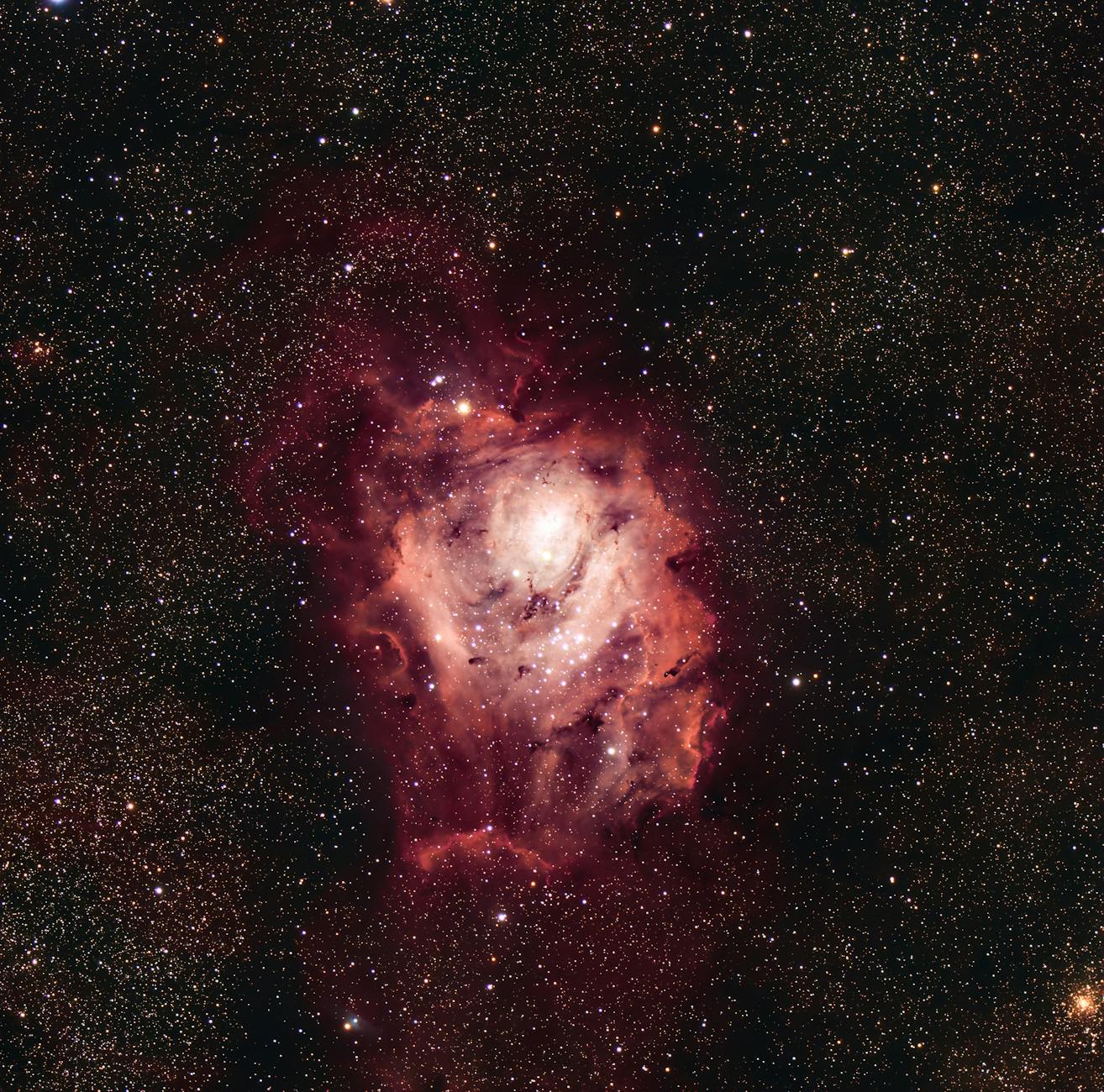
Have you ever gazed up at the night sky and wondered what lies beyond our own planet?
The Hubble Space Telescope has been a key to unlocking the mysteries of the universe.
Launched in 1990, Hubble has allowed us to peer deep into space and time, revealing breathtaking images of galaxies, nebulae, and other celestial wonders.
Imagine looking at a photo of a galaxy that is billions of light-years away, where the light we see today began its journey eons ago.
Each snapshot tells a story of cosmic evolution.
Hubble has not only captured stunning visuals but has also contributed to significant scientific discoveries.
It has helped astronomers measure the rate of expansion of the universe, leading to the surprising revelation that this expansion is accelerating.
Furthermore, Hubble's observations have provided insights into the life cycles of stars, from their birth in stellar nurseries to their dramatic deaths in supernova explosions.
It has even played a role in the search for exoplanets, revealing the potential for life beyond our solar system.
As we continue to analyze the data collected over more than three decades, we find ourselves on the brink of new revelations.
What other secrets does the cosmos hold, waiting for us to discover?
The journey of exploration is far from over, and Hubble remains at the forefront of our quest for knowledge.