How UPI Revolutionized Payments in India
In 2016, India witnessed a technological breakthrough with the launch of the Unified Payments Interface, or UPI. This innovative platform seamlessly integrated QR codes and instant bank transfers, transforming the way millions conduct daily transactions.
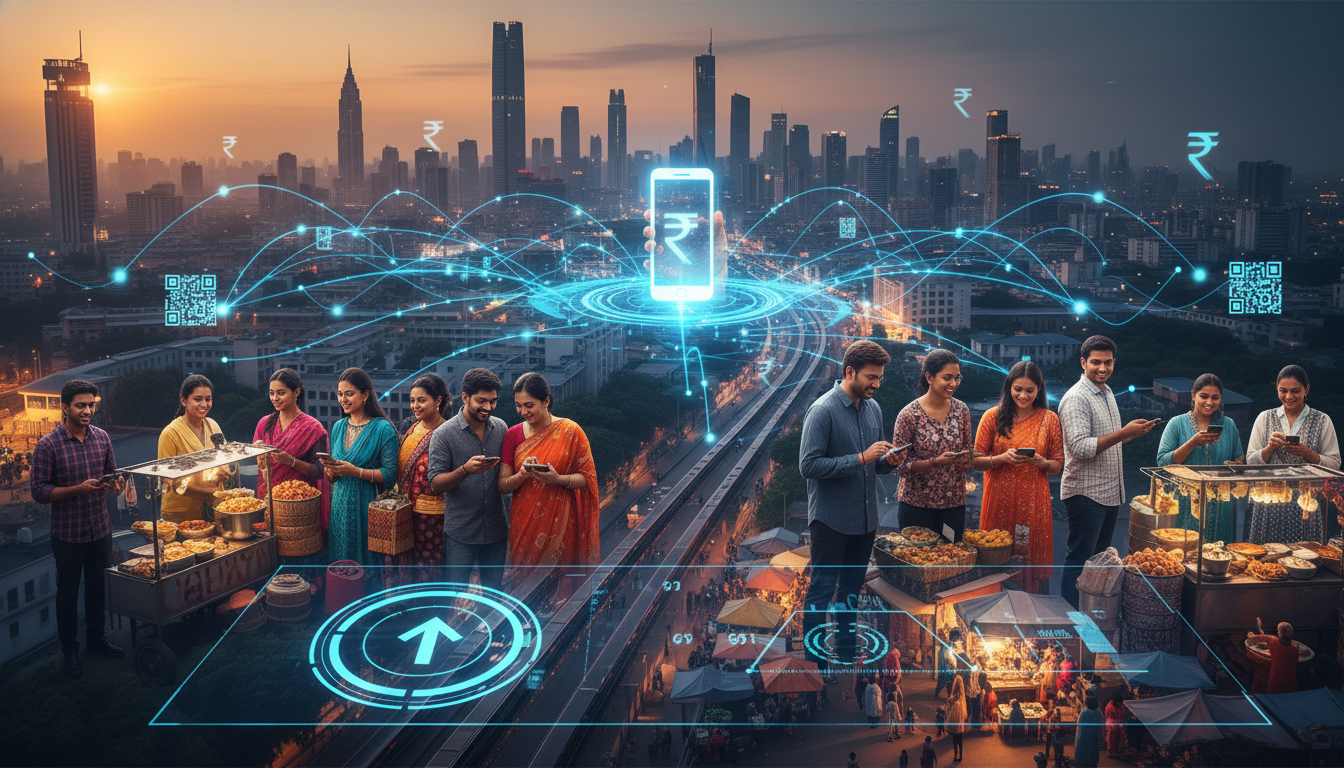
Have you ever wondered how something as simple as scanning a QR code could change the way we handle money?
Back in 2016, India introduced the Unified Payments Interface, or UPI, and it quietly laid the groundwork for a financial revolution.
Imagine a system where you could transfer money instantly to anyone, anytime, without the hassle of cash or long bank queues.
UPI made this dream a reality by creating a real-time, interoperable payment rail that linked different banks and payment services.
With just a smartphone, people could now use QR codes at local shops, cafes, or even to pay for street food.
Can you picture the convenience?
It was like bringing the banking system right to your pocket.
Over the years, UPI has grown immensely, becoming a staple in everyday life for millions, allowing seamless transactions in a matter of seconds.
And while it’s easy to take this technology for granted now, it’s fascinating to think about how it’s reshaped consumer habits and even boosted small businesses.
What might the future hold for payment technology as more innovations emerge?
The journey is just beginning.