How the Indus Valley Civilization Revolutionized Urban Planning
The layout and infrastructure of ancient cities like Mohenjo-Daro set the stage for modern urban development, revealing advanced engineering techniques that were far ahead of their time.
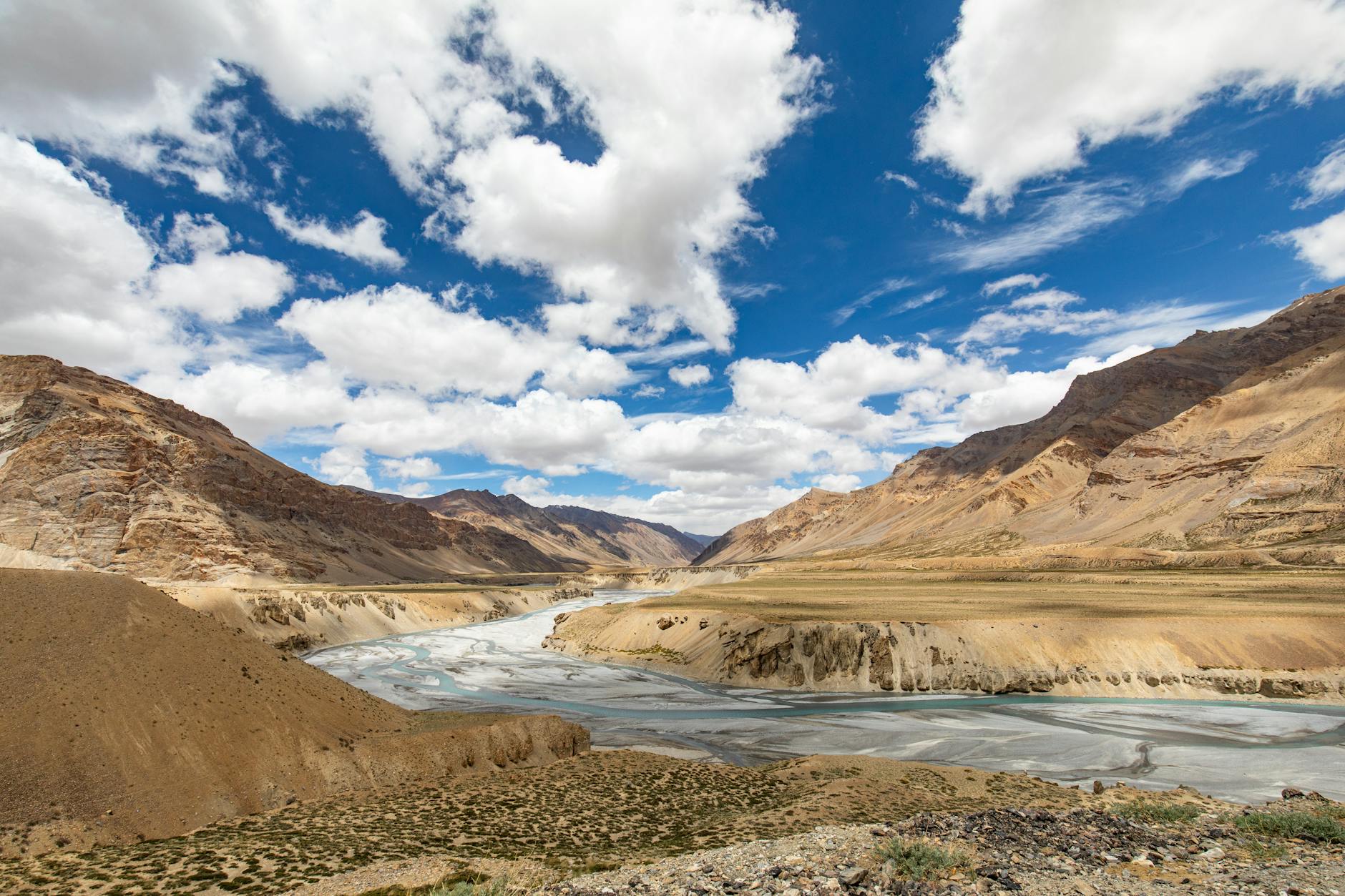
Imagine walking on the sun-baked streets of Mohenjo-Daro, where the faint scent of baked clay mingles with the earthy aroma of ancient irrigation channels.
You hear the soft rustle of silk as traders bustle about, their voices echoing through the meticulously planned grid of homes and public spaces.
This was no ordinary settlement; it was a blueprint for modern urbanism, a civilization that thrived on innovative engineering.
The revelation?
The Indus Valley people designed cities with advanced drainage systems, standardized bricks, and even public baths—long before many societies recognized the importance of sanitation.
This foresight not only facilitated commerce and community health but also shaped the way we conceive urban spaces today.
What lessons can we learn from their legacy as we confront contemporary urban challenges, and how might their innovations inspire future cities?