How the 2004 Tsunami Reshaped Coastal Fishing Practices
The cataclysmic event not only caused devastation but also led to a complete overhaul in fishing techniques and safety protocols along the Indian coastline.
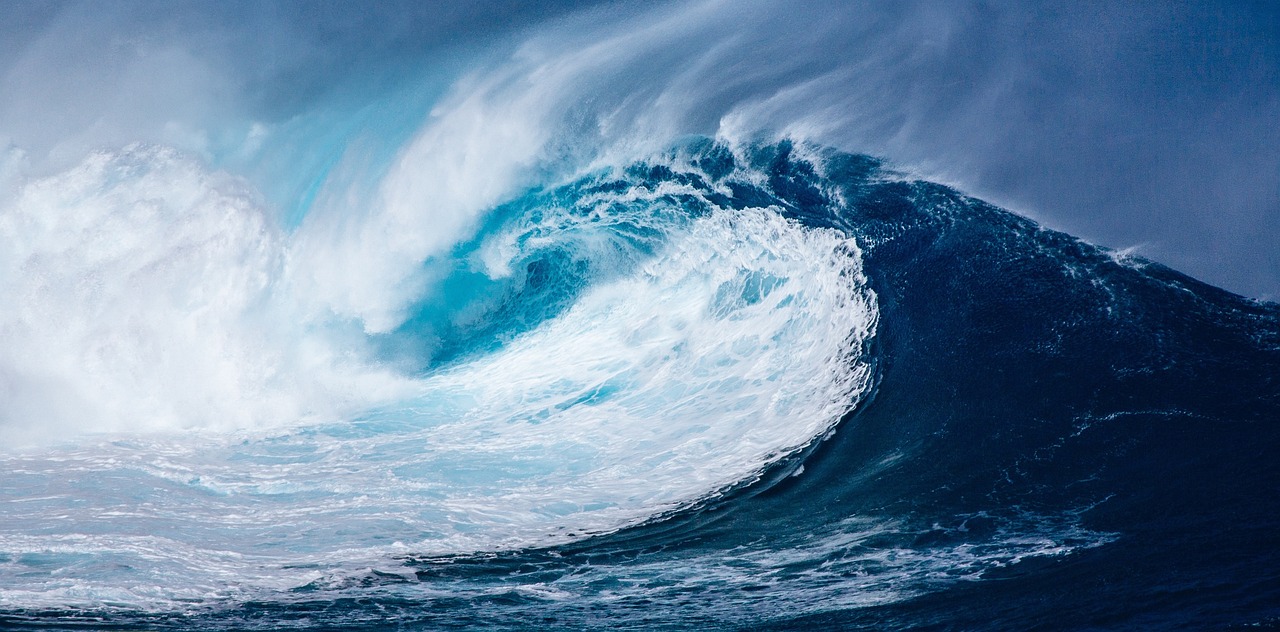
The roar of the ocean swells, a monstrous wave poised for destruction.
On December 26, 2004, the Indian coastline trembled beneath the weight of nature's fury, leaving behind chaos and despair.
Yet, amid the wreckage, a new era began to dawn for coastal fishing communities.
Fishermen, once reliant on traditional practices, now found themselves confronting the raw power of the sea with newfound urgency.
The smell of saltwater mixed with a whiff of change as innovations surged forth—advanced communication systems, early-warning mechanisms, and sustainable fishing techniques emerged from the ashes.
This seismic shift not only safeguarded lives but also redefined the delicate balance between humanity and nature.
In the face of disaster, resilience took root.
How do the legacies of such cataclysmic events continue to shape our interactions with the environment today?