How Railways Transformed Timekeeping: The Politics of Time Zones
Ever wondered why our time zones align more with political borders than with precise longitudinal lines? This fascinating shift was driven by the rise of railways, which demanded a more coordinated approach to timekeeping, reshaping our global perception of time.
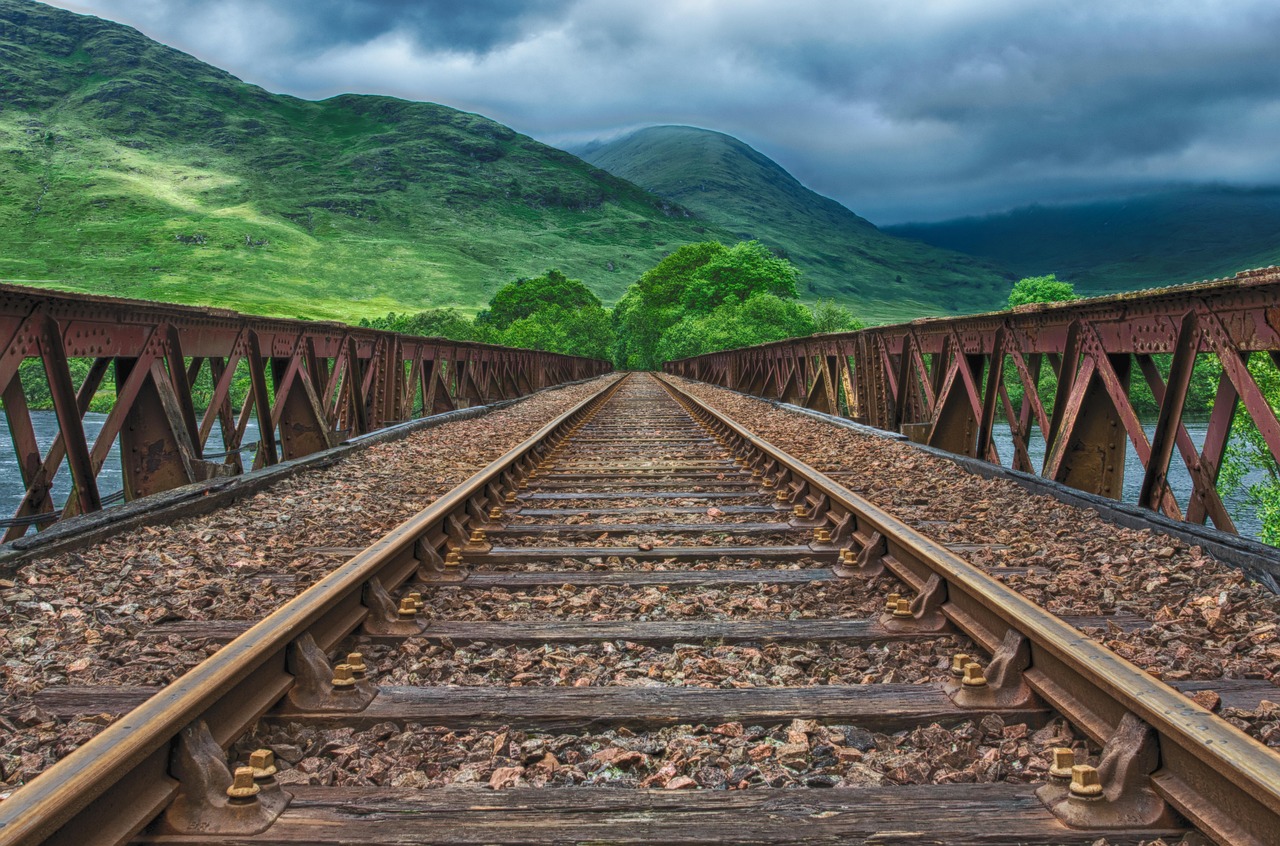
Imagine a world where time is dictated purely by the sun’s position in the sky, with each town and city operating on its own local time.
Sounds chaotic, right?
Well, that’s how it was before the 19th century.
The emergence of railways, however, changed everything.
As trains began to crisscross countries, the need for a synchronized schedule became paramount.
Late arrivals could mean missed connections and financial losses, so a standardized timekeeping system was essential.
But here's where it gets interesting.
Instead of adhering strictly to longitudinal lines, time zones began to follow political borders.
This was partly due to the influence of powerful nations and the desire to maintain control over their territories.
For instance, when the United States decided on a uniform time system, it wasn't just about convenience; it was about national unity.
This decision echoed around the globe, leading to a patchwork of time zones that reflect where one nation ends and another begins.
So next time you check the time, remember, it’s not just about the sun and the earth’s rotation; it’s a story of politics, power, and the railroads that brought us all together.
What other surprising influences do you think shaped our world?