How India's EXIM Policy Shapes Global Trade Dynamics
India's Export-Import (EXIM) policy is a crucial framework that regulates international trade, promoting exports while managing imports to enhance the country's economic standing. Introduced in its current form in 2015, the policy aims to create a conducive environment for trade by offering incentives, simplifying procedures, and establishing a structured approach to trade agreements.
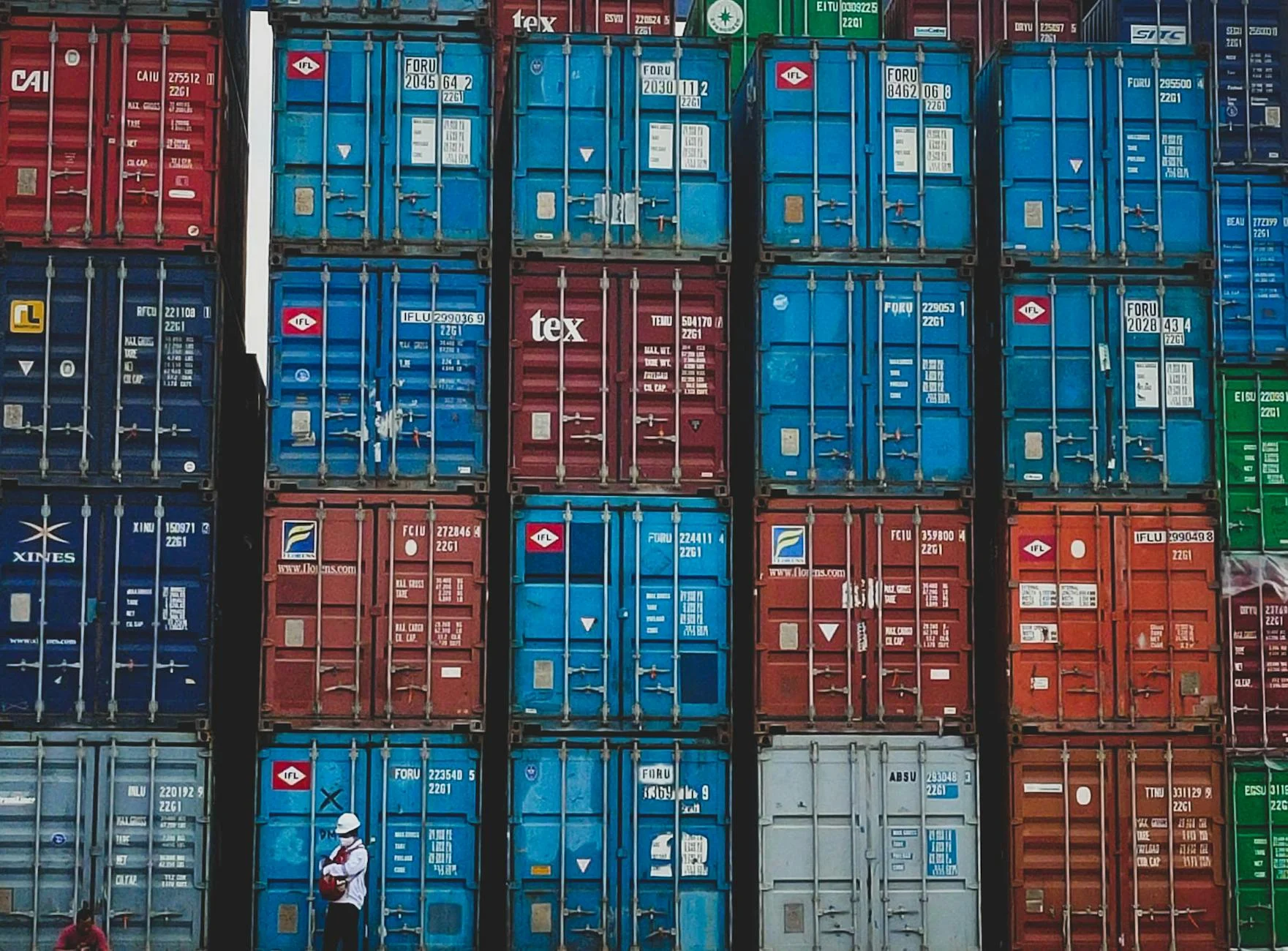
India's Export-Import (EXIM) policy is a crucial framework that regulates international trade, promoting exports while managing imports to enhance the country's economic standing.
Introduced in its current form in 2015, the policy aims to create a conducive environment for trade by offering incentives, simplifying procedures, and establishing a structured approach to trade agreements.
It includes measures such as duty exemptions on imported inputs for export production and various export promotion schemes tailored to support different sectors, including textiles, pharmaceuticals, and agriculture.
By strategically encouraging exports, the EXIM policy not only aims to reduce the trade deficit but also to increase foreign exchange reserves, thereby strengthening India's position in the global market.
The broader implications of this policy extend to fostering economic growth, enhancing employment opportunities, and encouraging innovation within domestic industries, thereby influencing the overall economic landscape of the country.