How Early Mobile Phones Shaped Texting Language
Have you ever wondered why texting on old mobile phones was such a workout for your fingers? The need to press the same key multiple times to get the right letter wasn't just a quirk; it transformed the way we communicate today.
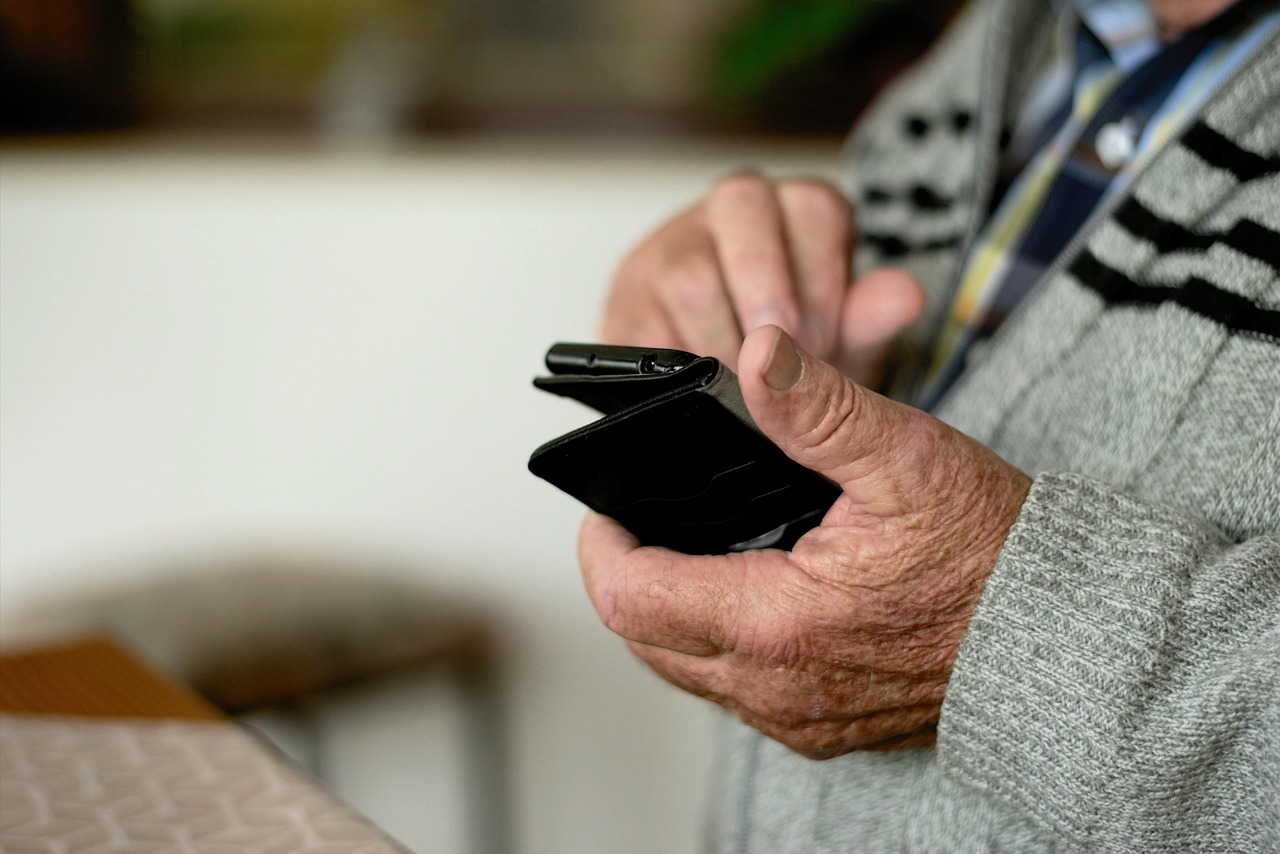
Imagine clutching your first mobile phone, that chunky device with a tiny screen and those unmistakable buttons.
To type a simple letter like 'S', you had to hit the '7' key four times.
This hardware limitation didn't just make texting slow; it sparked a revolution in our language.
People began to shorten words, abbreviate phrases, and even create entirely new forms of expression just to keep up with those frustrating key presses.
Instead of typing 'see you later,' it became 'CUL8R.' This was more than just a shortcut; it was a cultural shift.
The constraints of early texting encouraged creativity and efficiency, leading to a new lexicon that fits perfectly on a small screen.
And as we’ve moved on to smartphones with predictive text and autocorrect, you might wonder how much of that texting language still lingers in our daily chats.
What other influences do you think technology has had on our communication habits today?