How Does Dance Shape Spirituality and Identity in Indian Temples?
Investigating the role of dance in Indian temples can reveal how Bharatanatyam and other classical styles are integrated into religious practices and cultural identity, showcasing their application be
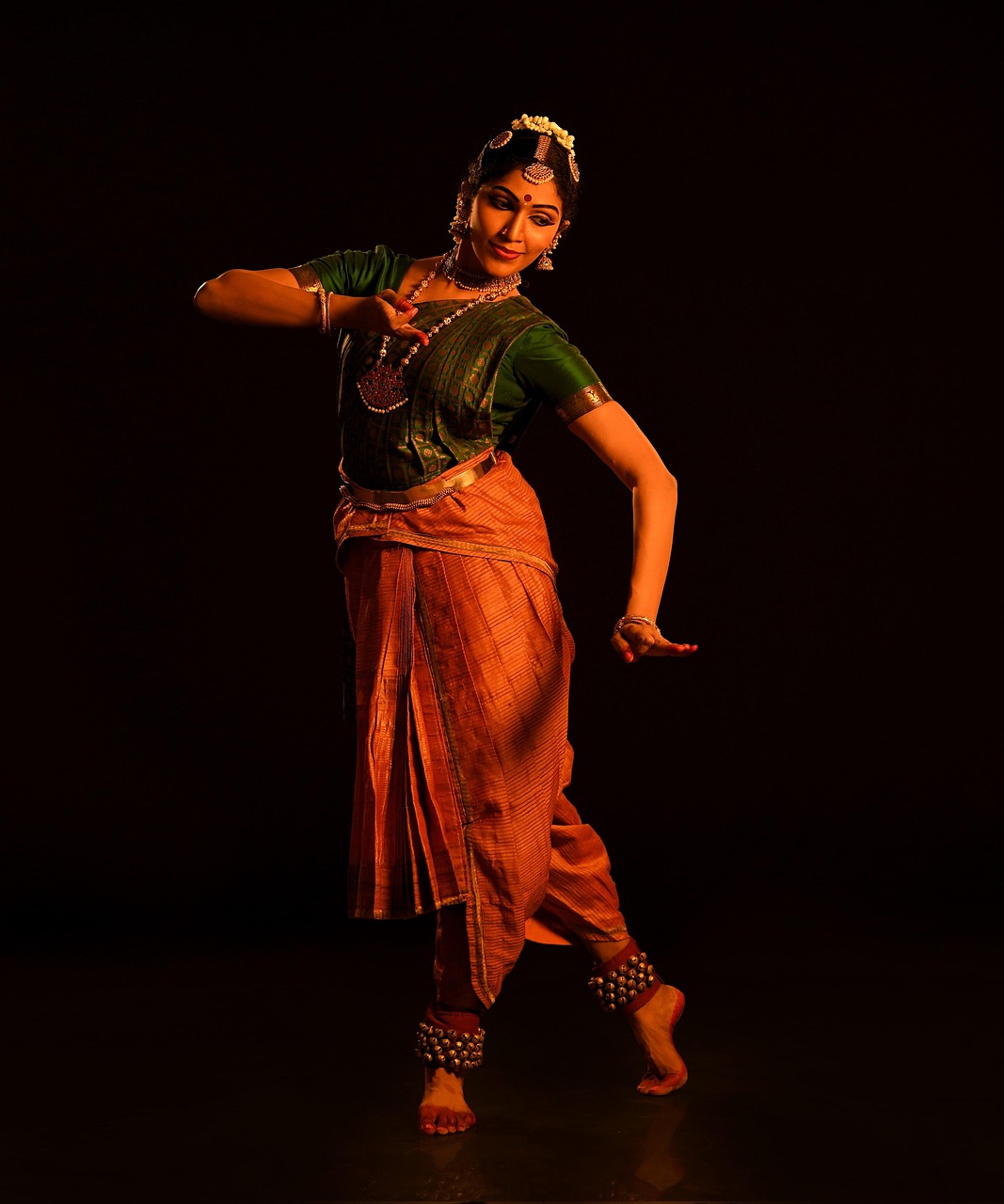
In Indian temples, dance transcends mere performance, embodying a spiritual expression integral to rituals and worship.
Classical dance forms like Bharatanatyam, Kathak, and Odissi are not only artistic showcases but also serve as a medium for storytelling and devotion, illustrating divine narratives and connecting devotees with the sacred.
This integration of dance into religious practices highlights its role in preserving cultural heritage and identity, as these performances often depict mythological tales and promote community participation.
The evolution of temple dance has also adapted over centuries, resulting in a dynamic interplay between tradition and contemporary influences.
For Prelims, knowing key classical dance styles and their origins is essential, while Mains may require deeper analysis of how these art forms contribute to cultural cohesion.
Understanding this aspect of Indian heritage can lead to insights into broader cultural policies and practices in India today.