History of the UPC Barcode
Understanding the origins and evolution of the Universal Product Code (UPC) reveals how it transformed retail inventory management and consumer purchasing behavior.
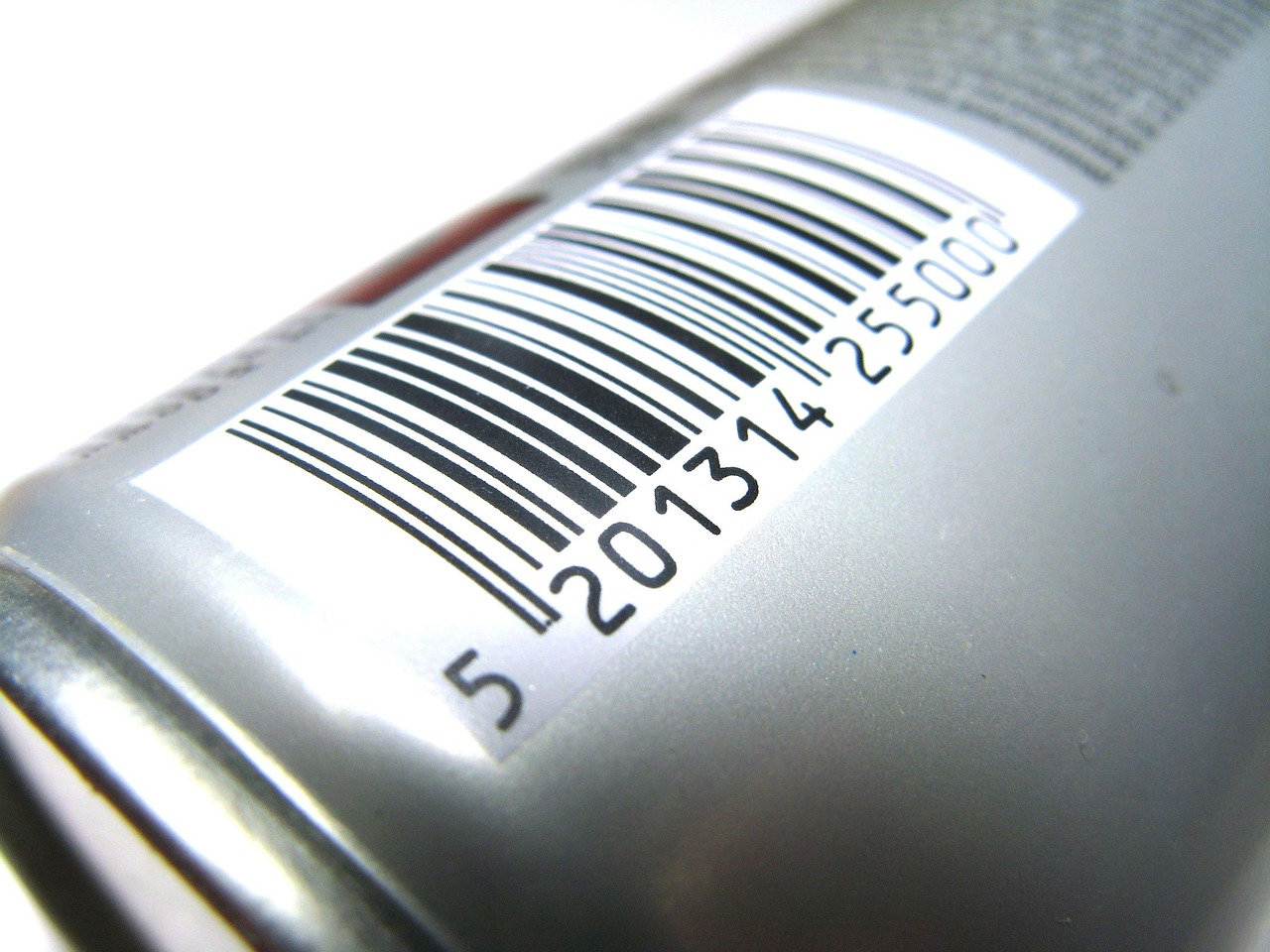
In 1974, a humble pack of Wrigley’s chewing gum became the first product scanned at a checkout, but what if I told you that this little barcode would revolutionize the way we shop?
Picture a bustling grocery store in Troy, Ohio, where a clerk, oblivious to the historic moment, scanned that gum and accidentally ushered in a new era of technology.
Before the Universal Product Code, inventory was managed by hand, a painstaking process that led to errors and inefficiencies.
But with the introduction of the UPC, everything changed.
Suddenly, retailers had access to real-time data about their stock, allowing them to streamline operations and meet consumer demand like never before.
The twist?
The code itself, a simple pattern of bars and spaces, was born out of a desire to make checkout faster, but it also set in motion a chain reaction that shifted the balance of power in retail.
No longer were consumers just passive buyers; they became savvy shoppers, armed with the knowledge that their choices were tracked, analyzed, and catered to.
This little black and white code not only sped up transactions but also changed the way we perceive value, choice, and convenience in our daily lives.
So next time you swipe your groceries, remember that a simple barcode did more than just scan your items—it ignited a retail revolution.
And what other everyday objects might hold secrets of their own, waiting to change our world?