Harley-Davidson's Turnaround Strategy
In the 1980s, Harley-Davidson implemented a successful turnaround strategy focused on quality improvement and brand identity restoration, transforming it from the brink of bankruptcy to an iconic symb
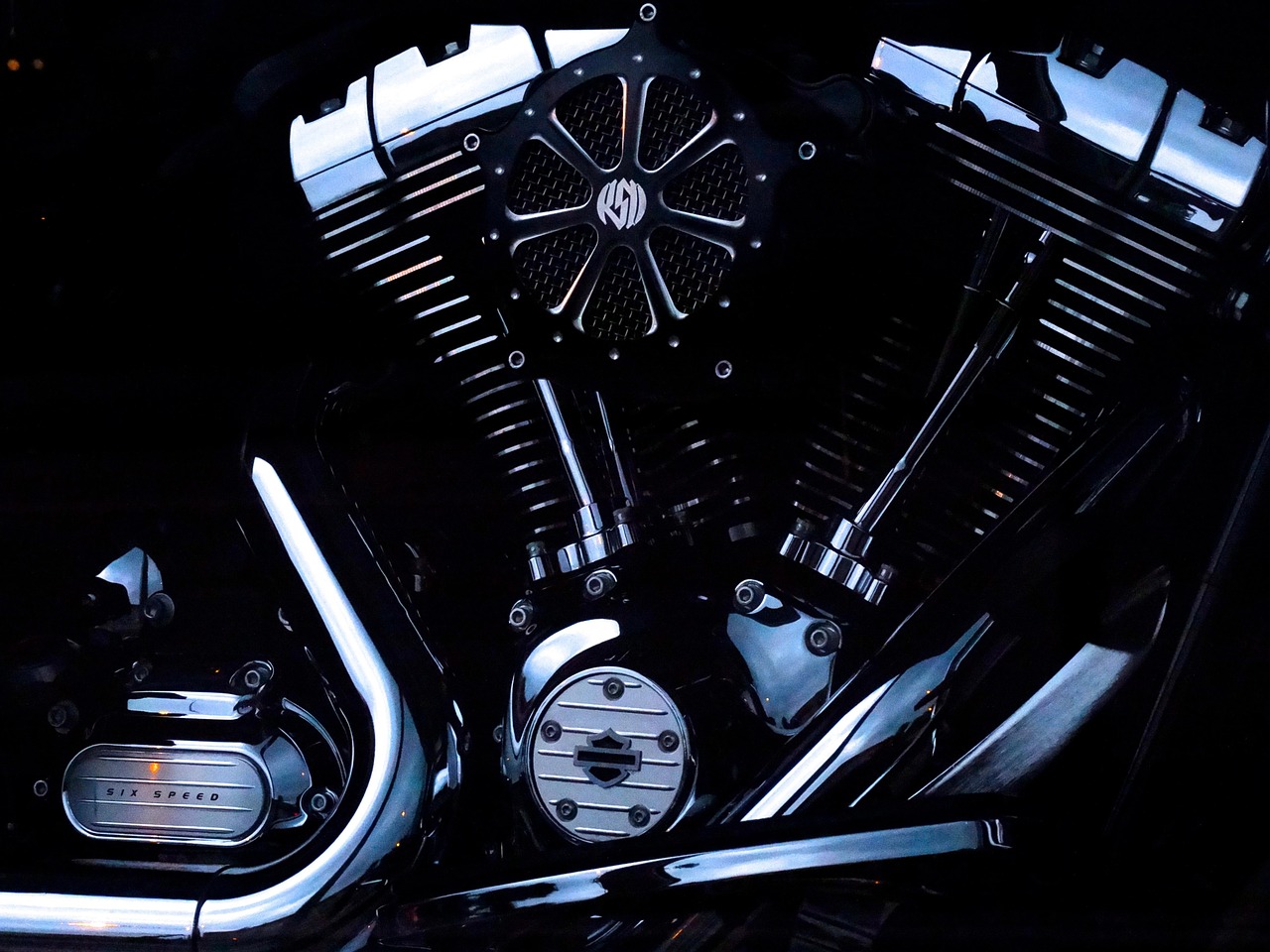
In the early 1980s, Harley-Davidson was on the verge of collapse, a shadow of its former self.
With competition from Japanese manufacturers flooding the market with cheaper, more reliable bikes, the iconic American brand faced a dire future.
Picture a boardroom filled with worried executives, the weight of their legacy heavy in the air.
But instead of giving in, they crafted a bold turnaround strategy.
They decided to double down on what made Harley unique: its rugged American spirit and the quality craftsmanship that had defined their motorcycles.
They instituted a rigorous quality control process that transformed their production lines and even sought out feedback from their most passionate customers.
This wasn't just about making bikes; it was about reviving a culture, a lifestyle.
The twist?
In 1983, they introduced a new model, the Softail, which combined classic looks with modern engineering.
Sales skyrocketed, and the once-ailing company began to thrive.
By the late '80s, Harley-Davidson had not only survived but had become a symbol of freedom and rebellion, a brand that stood for more than just motorcycles.
This transformation teaches us that sometimes, in the face of adversity, returning to your roots and focusing on quality can redefine your legacy.
Just imagine what other companies could learn from this incredible story of resilience and identity.
What other brands might be on the edge of a breakthrough, waiting for their moment to reclaim their throne?