Great Floods of Ancient Mesopotamia
Similar to the Saraswati, the floods of Mesopotamia played a crucial role in the rise and fall of civilizations, highlighting how environmental factors can dictate societal fate.
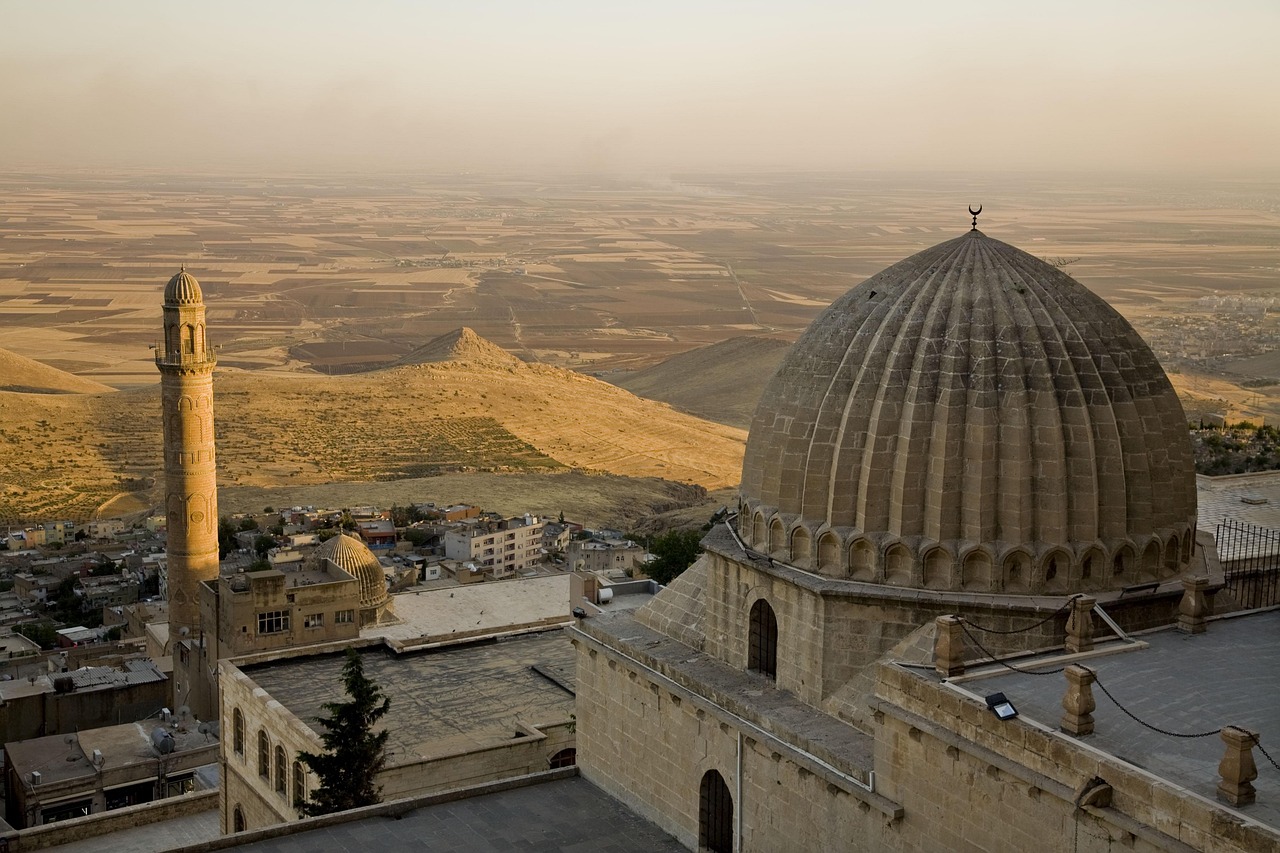
In ancient Mesopotamia, a land cradled between two mighty rivers, the Tigris and the Euphrates, a flood could be both a blessing and a curse.
Picture this: around 3000 BCE, as the spring thaw melted the mountain snows, torrents of water would rush down and swallow entire villages.
But rather than merely wreaking havoc, these floods brought something astonishing—rich silt that transformed arid lands into fertile fields.
The people learned to harness the water through irrigation, leading to the rise of one of the world’s first civilizations, with sprawling cities like Ur and Babylon.
However, their very success was also a double-edged sword.
As populations grew, so did their reliance on the rivers, and when the floods came too strong, they could devastate crops and displace thousands.
The Insight?
Civilizations flourished and fell not just by the sword or the wheel, but by the fickle nature of water.
The very forces that helped them thrive could just as easily lead to their undoing.
This delicate balance reminds us that our fate often lies in the hands of nature itself.
And as we ponder the legacy of Mesopotamia, we can't help but wonder—what other environmental forces throughout history have shaped human destiny in ways we’ve yet to uncover?