Gandhi's Last Fast for Peace
This event showcases Mahatma Gandhi's desperate attempt to quell communal violence during the tumultuous partition, reflecting the deep divisions of the era.
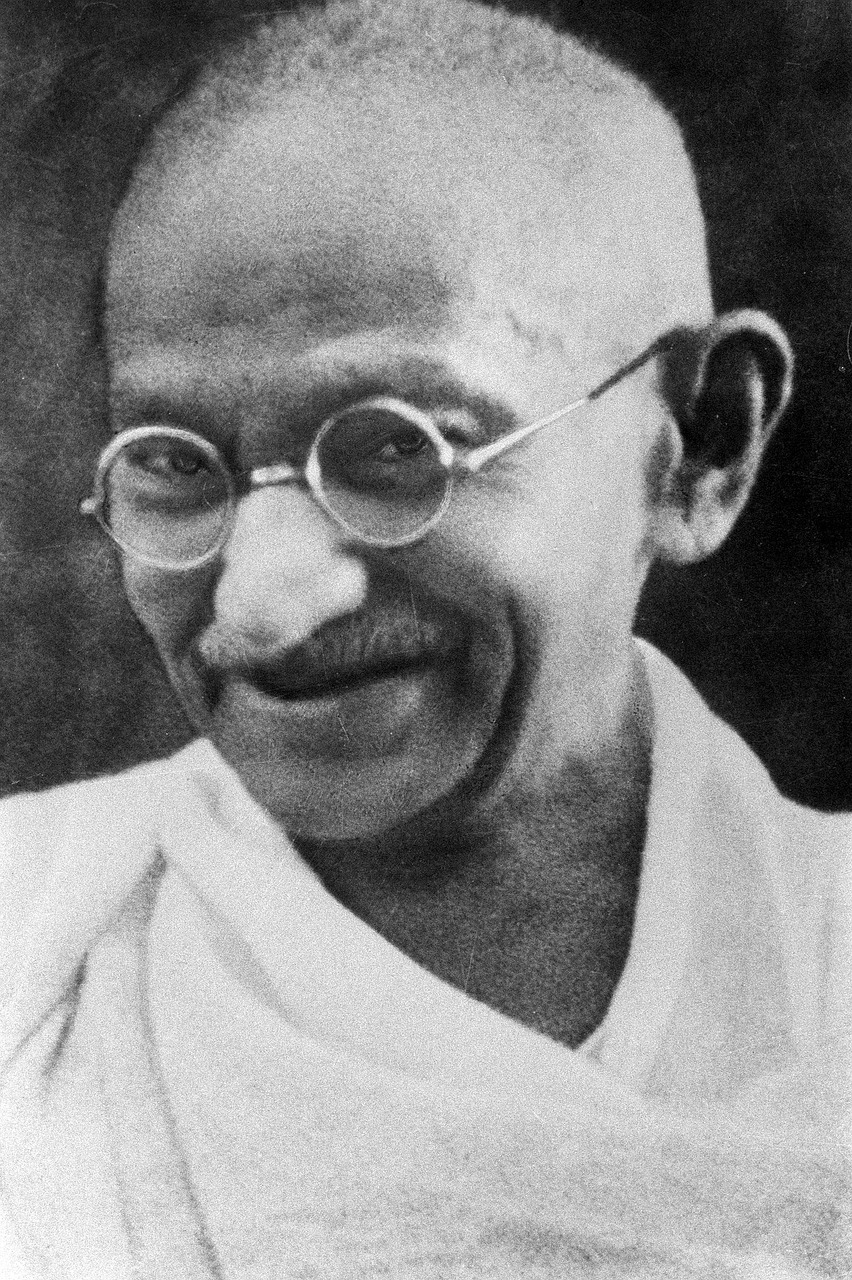
In January 1948, a frail figure sat cross-legged in a bustling Indian city, surrounded by people torn apart by violence.
Mahatma Gandhi, the leader known for his nonviolent philosophy, was on a hunger strike once more, but this time it was different.
The country was reeling from the chaos of partition, where religious tensions between Hindus and Muslims had erupted into bloodshed.
As he faced the prospect of a fractured nation, Gandhi’s last fast for peace was an act of desperation.
But here’s the twist: he wasn't just fasting for peace; he was also fasting to save lives.
With every passing hour without food, he hoped to spark a wave of compassion in a society ravaged by hatred.
His commitment was so profound that people began to reconsider their own beliefs, and many even pledged to stop the violence in his honor.
The insight here is staggering—one man’s resolve, expressed through the sheer act of denial, had the power to influence an entire nation in turmoil.
In his final days, Gandhi showed that sometimes, the most profound actions are not those filled with grandeur, but the quiet yet powerful acts of selflessness that resonate deeply within society.
As we reflect on this, consider how the echoes of his message still challenge us today: what lengths would you go to for peace?
And what could happen if we all chose to stand up against the currents of division in our own times?