Fukushima: The Ripple Effects of a Nuclear Disaster
The 2011 Fukushima disaster was not just a tragedy; it was a pivotal moment that transformed global energy policies and debates about safety. By examining the cascading infrastructure failures that followed, we can better understand how this event reshaped our world and our daily relationship with electricity.
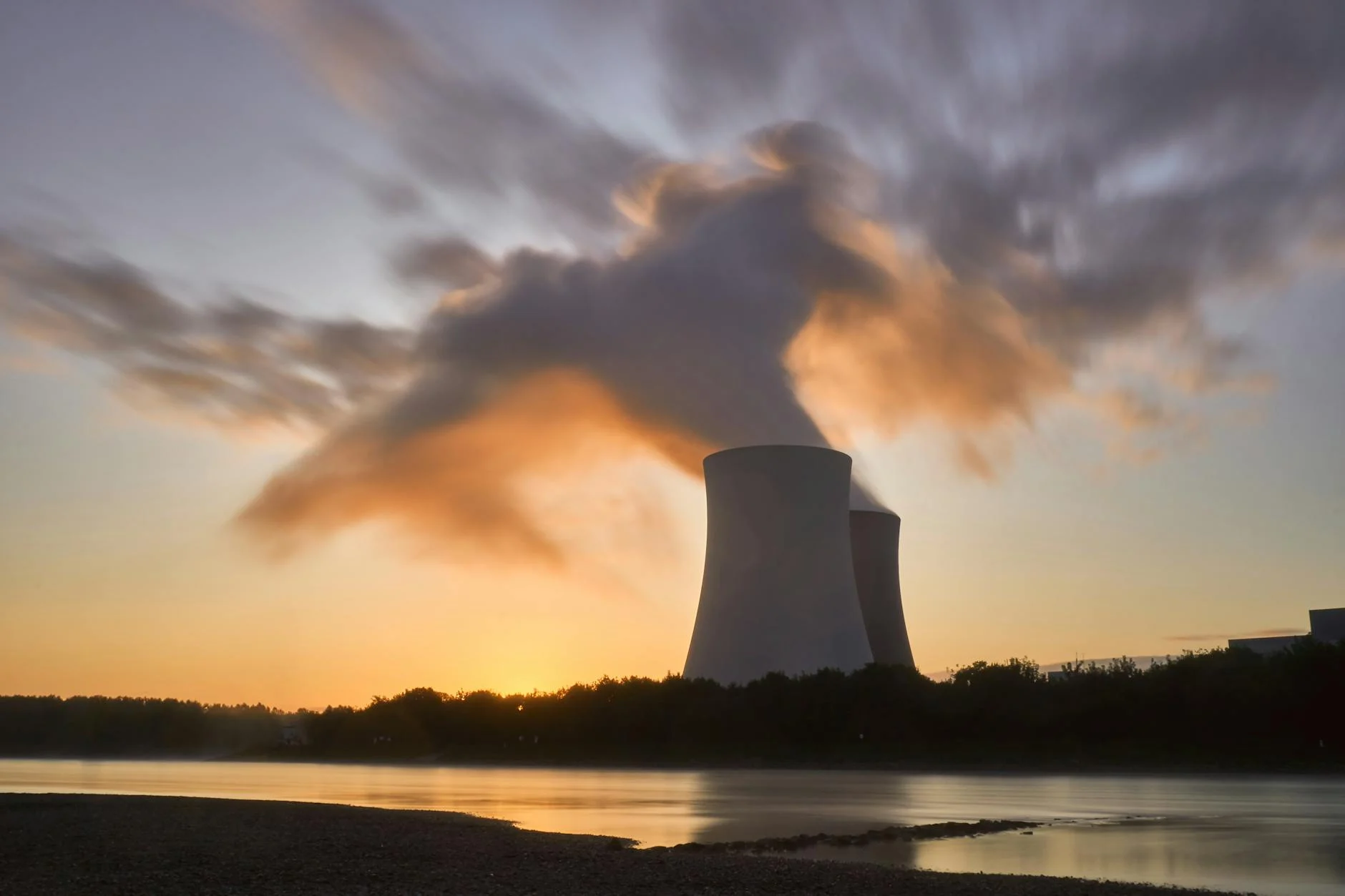
Imagine waking up one day to find that the very power that fuels your home and life has been disrupted by a catastrophic event.
That's what happened in March 2011, when a massive earthquake struck Japan, triggering a tsunami that wreaked havoc on the Fukushima Daiichi nuclear power plant.
What unfolded was a cascade of failures—not just at the plant itself, but throughout the energy infrastructure.
This disaster exposed vulnerabilities in nuclear energy safety protocols and ignited an intense global conversation about energy policies.
Suddenly, countries that relied heavily on nuclear power began to reconsider their strategies.
Some, like Germany, pledged to phase out nuclear energy altogether, while others ramped up safety measures.
The aftermath of Fukushima didn’t just affect nuclear energy.
It influenced global supply chains, highlighting how interconnected our energy systems are.
Manufacturers, energy providers, and policymakers had to rethink everything, from sourcing materials to emergency preparedness.
This disaster became a cautionary tale, reminding us of the fragility of our energy systems and how a single event can spark widespread change.
As we reflect on the lessons learned, we might wonder—how prepared are we for the next big shift in energy policy?
What changes will we see in our everyday lives as a result?
The answers lie in how we choose to adapt and innovate.