From Stanford Papers to Google: The Birth of PageRank
Have you ever wondered how a simple academic project blossomed into the search engine we rely on today? The journey of PageRank, an algorithm born out of Stanford University, not only transformed the way we find information but also reshaped the economics of the web.
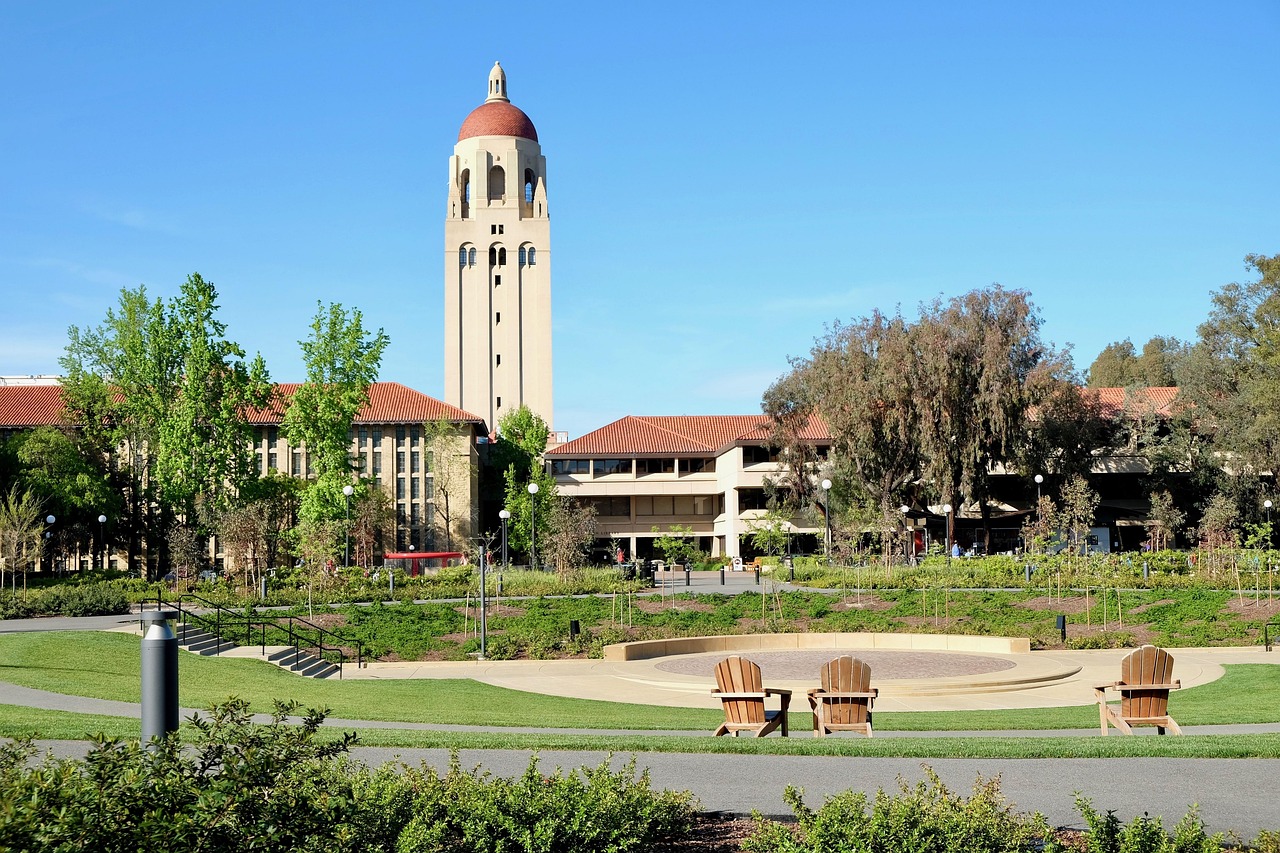
Imagine a time when the internet was a chaotic library, filled with information but lacking a reliable way to find what you truly needed.
In the late 1990s, Stanford researchers Larry Page and Sergey Brin embarked on a project to rank academic papers.
Their goal was simple: to create a system that could evaluate the importance of these papers based on how often they were cited.
But as they delved deeper, they realized they were onto something bigger.
They developed PageRank, a mathematical shortcut that used the links between pages as a way to establish authority and relevance.
This ingenious approach allowed their system to not just rank papers but also to rank web pages.
When they launched Google, it was revolutionary.
The algorithm took into account not just the content of a page but also the connections between them, fundamentally changing how we navigate the web.
This innovative model didn’t just improve search results; it altered the economics of online information.
The web became a place where quality content thrived, and businesses learned to optimize their online presence.
And all of this stemmed from a university project!
Isn’t it fascinating how a simple idea can ripple out and reshape entire industries?
What other innovations might be quietly changing our world right now?