First Successful GPS Satellite Launch
The launch of the first GPS satellite in 1978 marked a pivotal moment in satellite technology, enabling global positioning systems we rely on today.
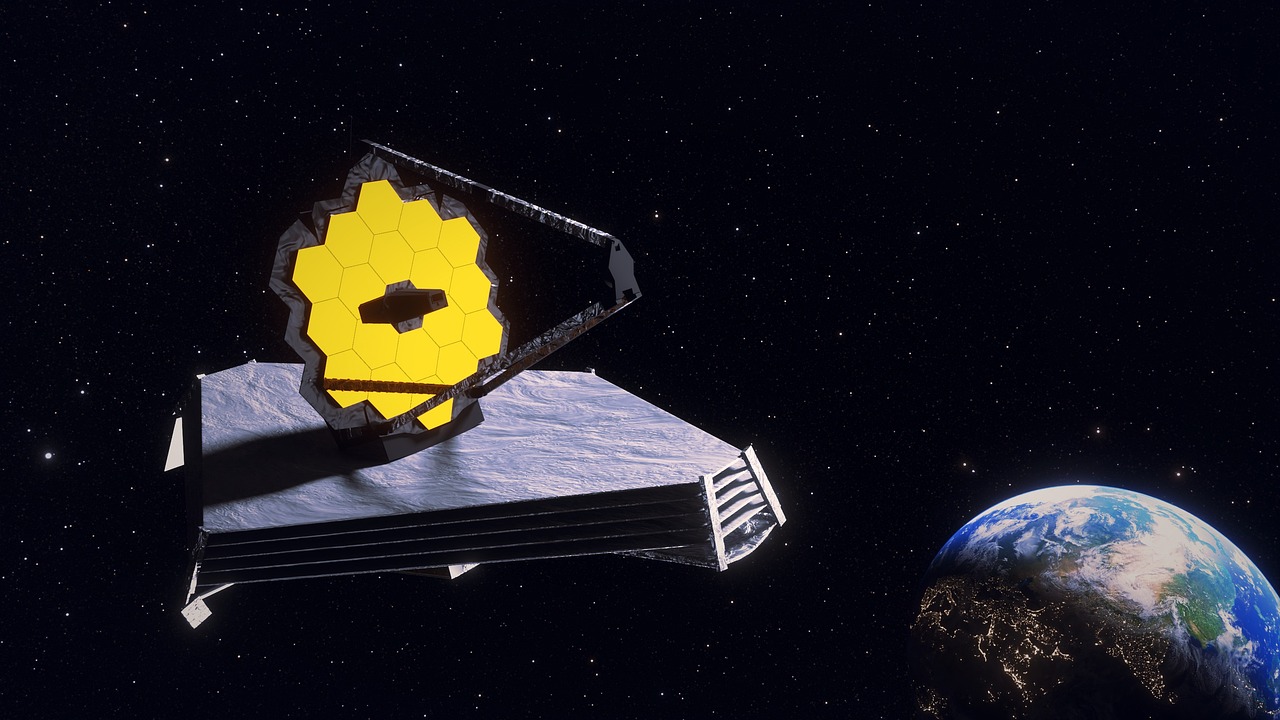
In 1978, a seemingly ordinary rocket took off into the sky, but what it carried would change the world forever.
A satellite named Navstar 1 soared high above the Earth, marking the dawn of the Global Positioning System, or GPS.
At that time, the idea of pinpointing your location anywhere on the planet with absolute precision seemed like science fiction.
Imagine a world where you could get lost in an unfamiliar city but simply pull out a small device to find your way home.
It was a dream waiting to unfold.
But here’s the twist: this revolutionary technology was originally developed for military navigation, a tool designed to guide missiles with incredible accuracy.
However, its potential quickly expanded beyond the battlefield.
Within a few decades, GPS transformed into an essential part of our daily lives, guiding us through traffic, helping us explore new places, and even assisting in rescue operations.
This leap in technology not only changed how we navigate but also how we connect with one another in an increasingly complex world.
It’s hard to imagine a time when we relied on paper maps and our own instincts to find our way.
And as we stand on the brink of further advancements in navigation, one must wonder: what will the next revolution in positioning technology look like?
Will we ever navigate without satellites?
The future holds many more surprises yet to be discovered.