First Non-Stick Cookware Sales
The launch of the first non-stick cookware in the 1960s marked a significant shift in home cooking practices and consumer habits.
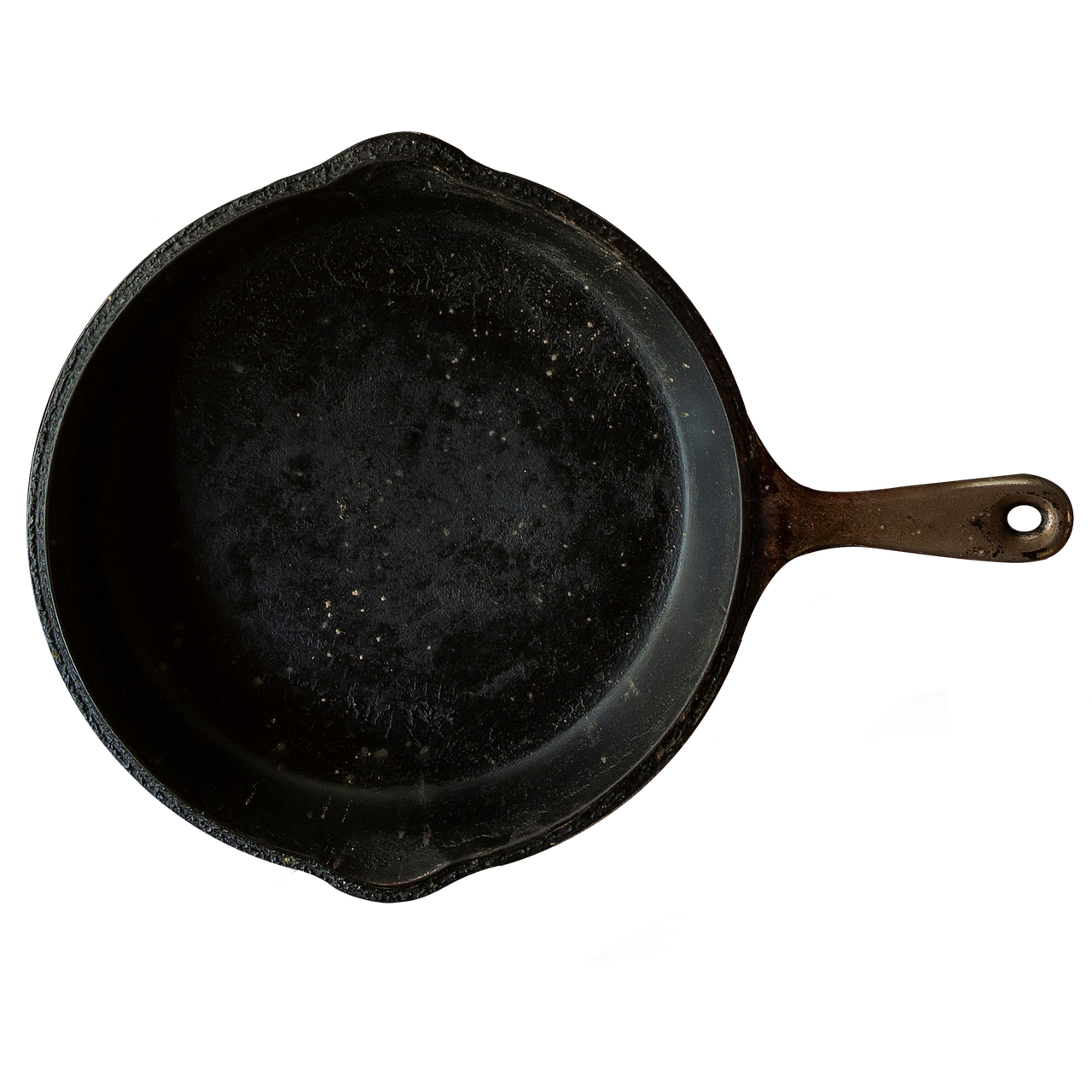
In the 1960s, a kitchen revolution was quietly simmering beneath the surface of everyday cooking.
Imagine a world where flipping pancakes was a sticky challenge, and scrambled eggs required a heroic scrubbing post-breakfast.
But then came a miracle—a pan that promised to change everything.
Enter Teflon, a seemingly magical coating that made food slide off like butter on a hot day.
This invention was born out of an accidental discovery by a chemist named Roy Plunkett, who stumbled upon a new polymer while experimenting with gases.
The result?
A non-stick surface that would forever alter the way we cooked.
But here’s the twist: it wasn’t just about convenience.
This new cookware reshaped our culinary landscape, encouraging home cooks to experiment fearlessly, unfazed by the fear of food sticking.
The implications were profound—people began to embrace healthier cooking methods, using less oil, and this shift steered society toward a new era of cooking.
As you ponder the ease of your morning omelet slipping effortlessly from the pan, consider how a simple accident in a lab led to a culinary transformation that changed kitchens worldwide.
And as you reflect on the impact of Teflon, think about what other accidental discoveries might be waiting just around the corner in our daily lives.