First Isolation of Graphene
The groundbreaking isolation of graphene in 2004 by Andre Geim and Konstantin Novoselov marks a pivotal moment in material science that unlocked its potential.
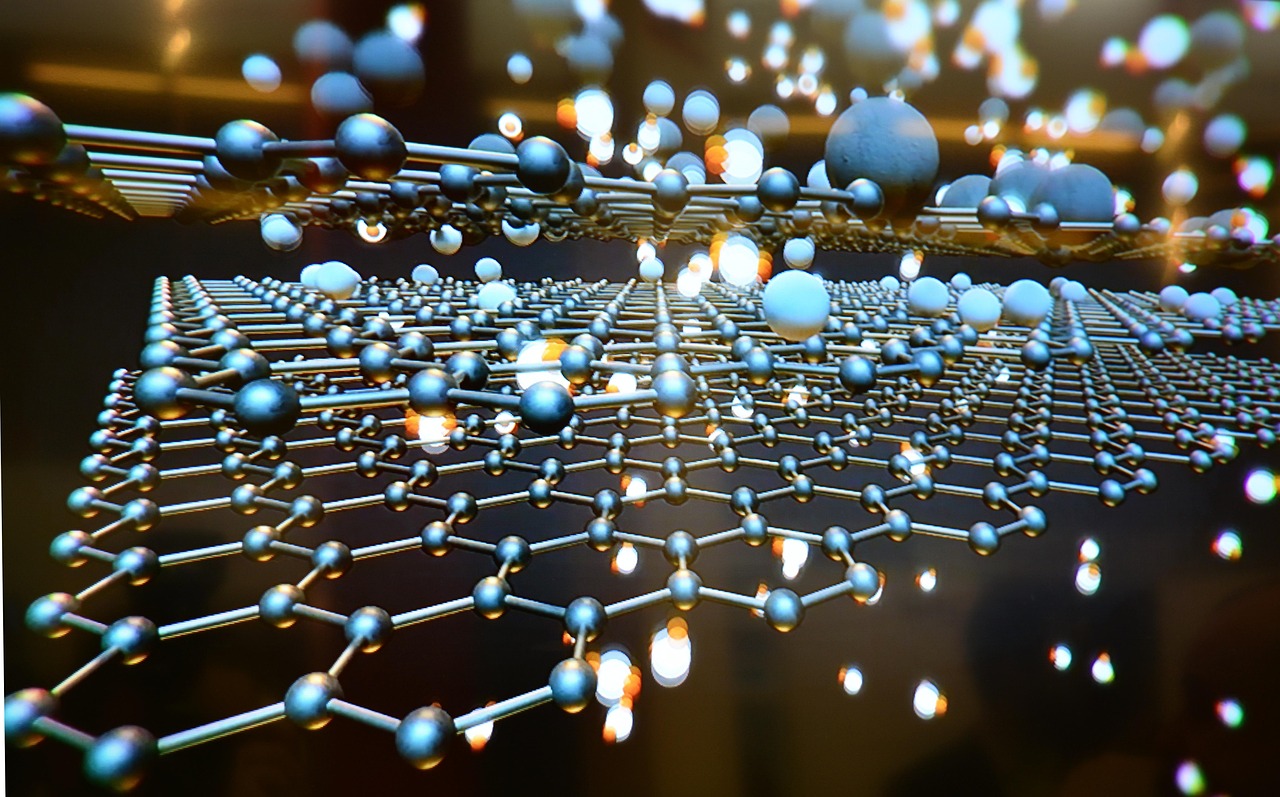
In 2004, a pair of researchers at the University of Manchester made a discovery that would change the world of materials science forever.
Andre Geim and Konstantin Novoselov were not searching for a miracle material; they were simply trying to explore the properties of graphite using a technique as simple as using sticky tape.
As they peeled layers of graphite apart, they stumbled upon something extraordinary: a single layer of carbon atoms—what we now know as graphene.
This thin film, just one atom thick, was not only incredibly strong but also remarkably conductive, making it nearly 200 times stronger than steel while being lighter than air.
The twist?
They had isolated it using nothing more than an ordinary kitchen tool.
This revelation opened doors to applications in electronics, energy, and even medicine.
Imagine the potential of a material that could revolutionize everything from smartphones to batteries!
The implications were so vast that Geim and Novoselov would go on to receive the Nobel Prize in Physics just a few years later.
Their serendipitous discovery serves as a reminder that sometimes, the most groundbreaking insights come from the simplest experiments.
What other secrets might lie hidden in our everyday tools waiting to be uncovered?