Emission Standards in India vs. Europe
Comparing emission standards in India with those in Europe will illustrate how regulatory frameworks impact the adoption and development of emissions control technologies, offering a broader perspecti
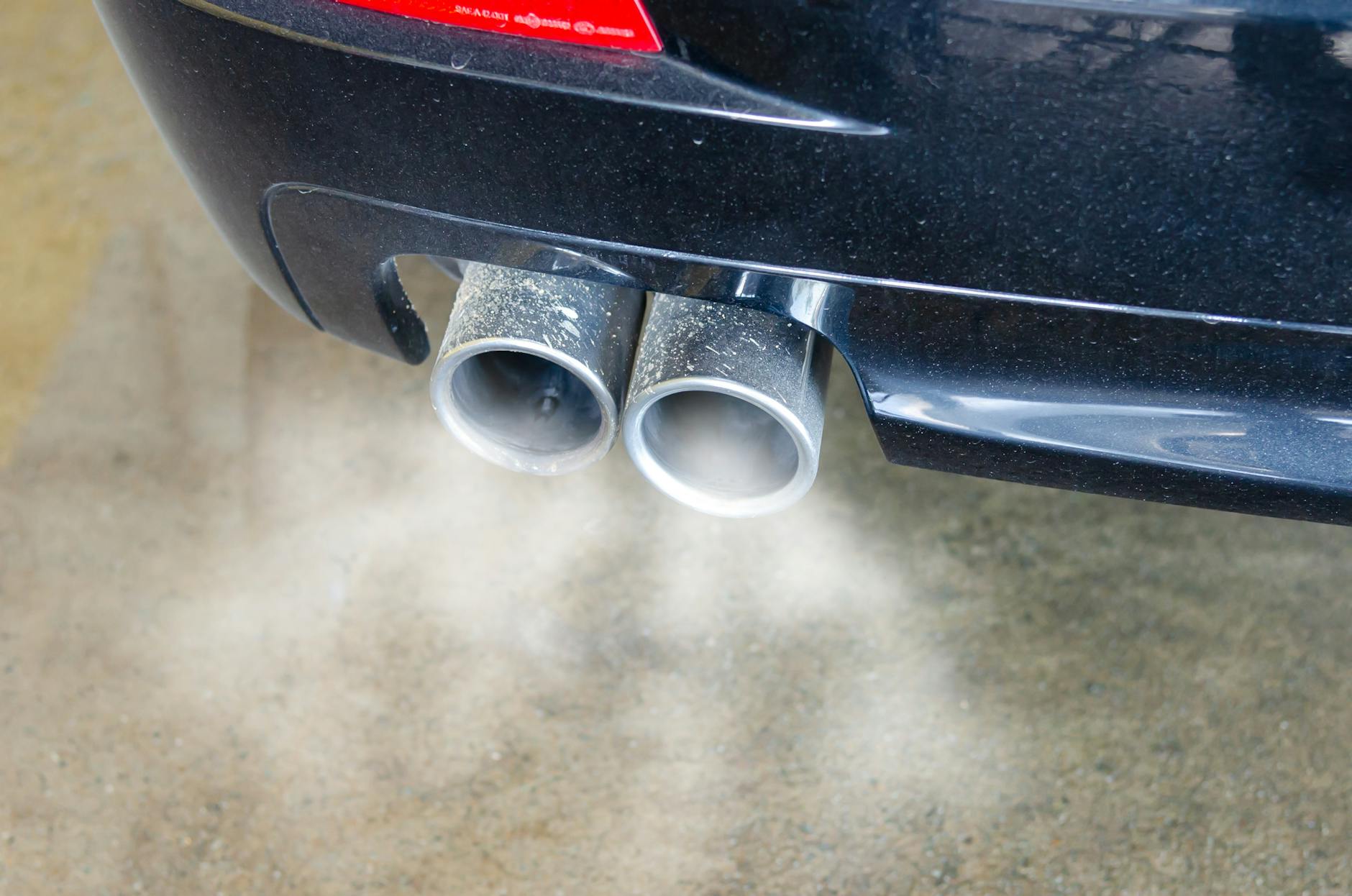
Emission standards in India are generally less stringent than those in Europe, reflecting different regulatory priorities and industrial contexts.
In Europe, the Euro emissions standards have progressively tightened since their introduction in the 1990s, significantly reducing pollutants from vehicles.
For instance, the latest Euro 6 standards, implemented in 2015, have set lower limits for nitrogen oxides (NOx) and particulate matter, pushing manufacturers towards advanced technologies like selective catalytic reduction (SCR) and particulate filters.
In contrast, India’s Bharat Stage (BS) standards, which align somewhat with European standards, have lagged behind; BS VI, introduced in 2020, aims to reduce pollutants but still falls short in enforcement and infrastructure readiness.
This disparity in emissions regulations affects not only domestic air quality but also the global competitiveness of Indian manufacturers who must invest in compliance technologies that meet both local and international standards, highlighting the crucial link between environmental policy and industrial innovation.