Drum vs. Disc Brakes: Which Design Rules the Road?
Understanding drum brakes provides a contrast to disc brakes, highlighting differences in design and performance, which is essential for a comprehensive grasp of braking systems.
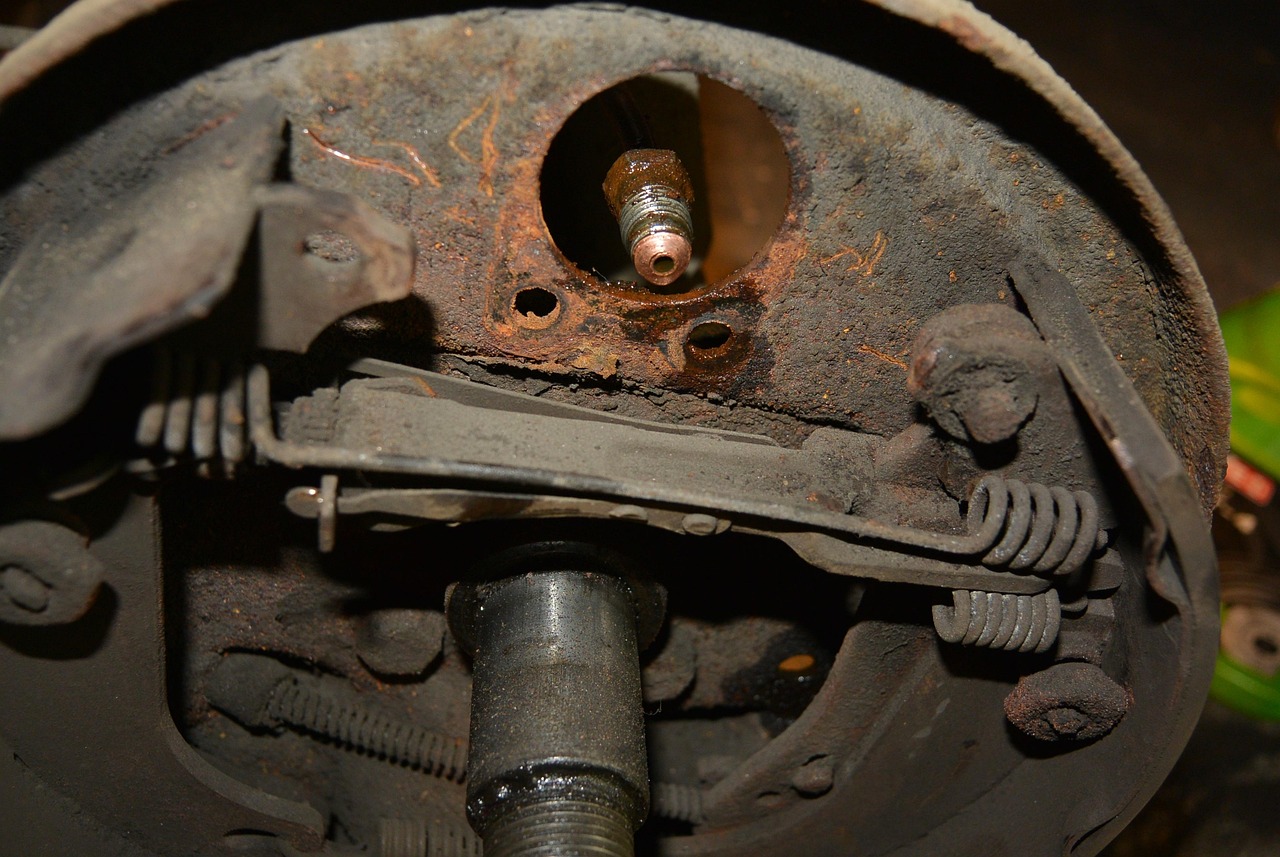
Drum brakes operate through a mechanism where brake shoes expand against the inner surface of a rotating drum, creating friction to slow down or stop a vehicle.
This design typically features a sealed environment, which helps prevent contaminants from affecting performance.
Drum brakes are generally simpler and cheaper to manufacture than disc brakes, making them a common choice for older or budget vehicles.
However, they are prone to overheating during prolonged use, leading to brake fade, which diminishes their effectiveness.
In contrast, disc brakes provide superior heat dissipation and consistent performance under heavy braking conditions, often found in high-performance vehicles.
The choice between these systems can significantly impact a vehicle's handling and safety.
Understanding the differences between drum and disc brakes is crucial for appreciating advancements in automotive technology and safety measures in modern vehicles.