Development of the Graphene Transistor
The creation of the graphene transistor in 2010 showcased how this single layer of carbon atoms could significantly outperform silicon, presenting a potential future for faster and more efficient comp
Imagine a world where your devices operate at lightning speed, consuming less energy than ever before.
This vision became a reality in 2010 with the groundbreaking development of the graphene transistor.
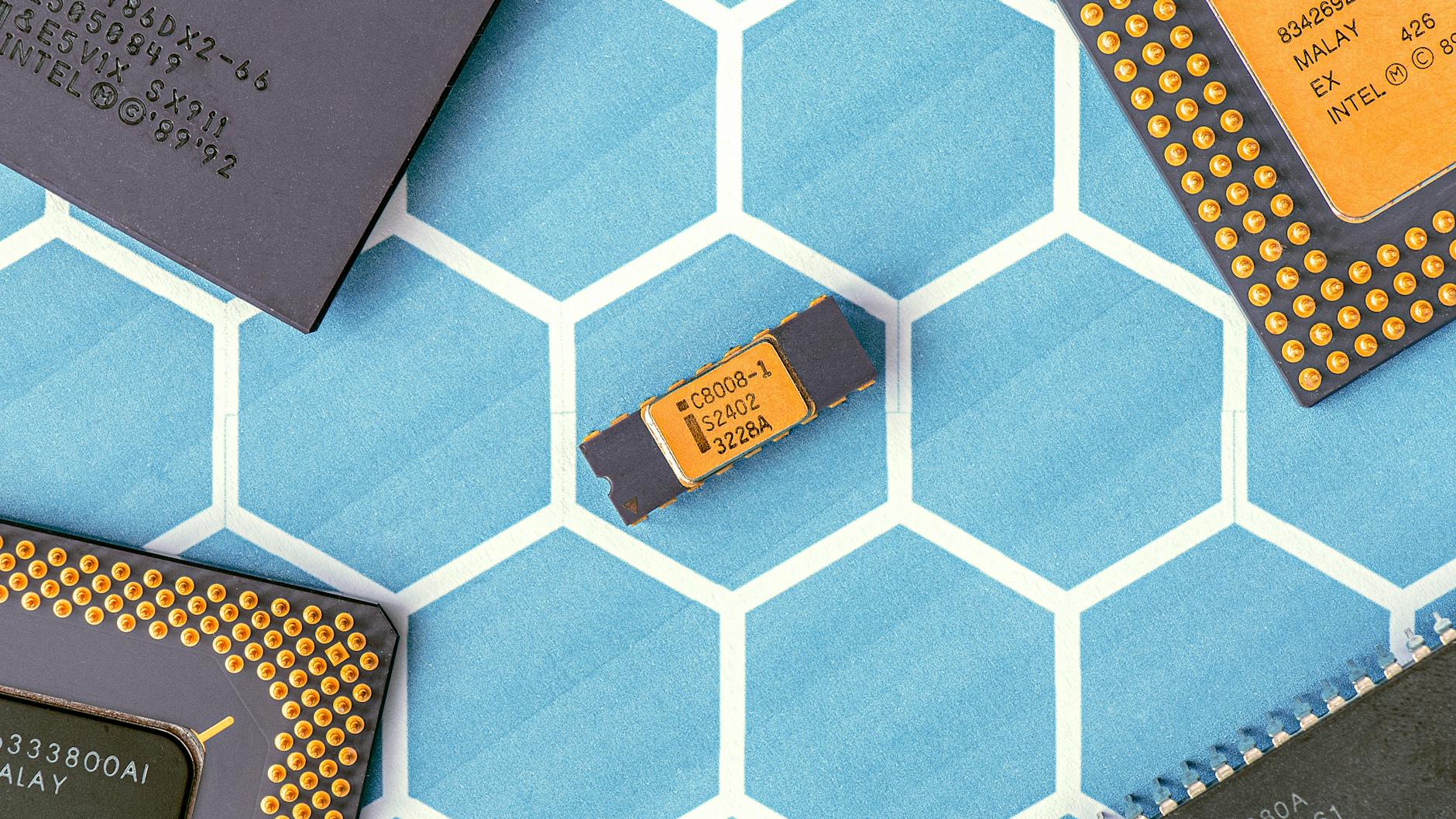
Graphene, a single layer of carbon atoms arranged in a two-dimensional honeycomb lattice, has unique properties that set it apart from traditional materials like silicon.
While silicon has been the backbone of electronics for decades, its limitations in terms of speed and efficiency have become increasingly apparent.
Enter graphene – not only can it conduct electricity better than silicon, but it's also incredibly strong and lightweight.
This combination could potentially revolutionize the tech industry, leading to the creation of faster computers, more efficient batteries, and even flexible electronic devices.
Researchers have been captivated by graphene's ability to allow electrons to move through it with very little resistance, paving the way for transistors that are smaller and faster.
As we delve deeper into the possibilities of graphene, we find ourselves on the brink of a technological revolution.
What other secrets does this remarkable material hold for the future of electronics?