Development of Fiber Optic Technology
Invented in the 1970s, fiber optic technology revolutionized telecommunications by allowing data transmission over long distances at unprecedented speeds, fundamentally changing global communications.
In the early 1970s, a group of scientists found themselves on the brink of a communication revolution, but it all started with a simple question: how could we send more information, faster and over longer distances?
Picture this: a world where phone calls crackled and connections dropped, all reliant on copper wires.
Enter the genius of fiber optics—a technology that would soon illuminate the globe.
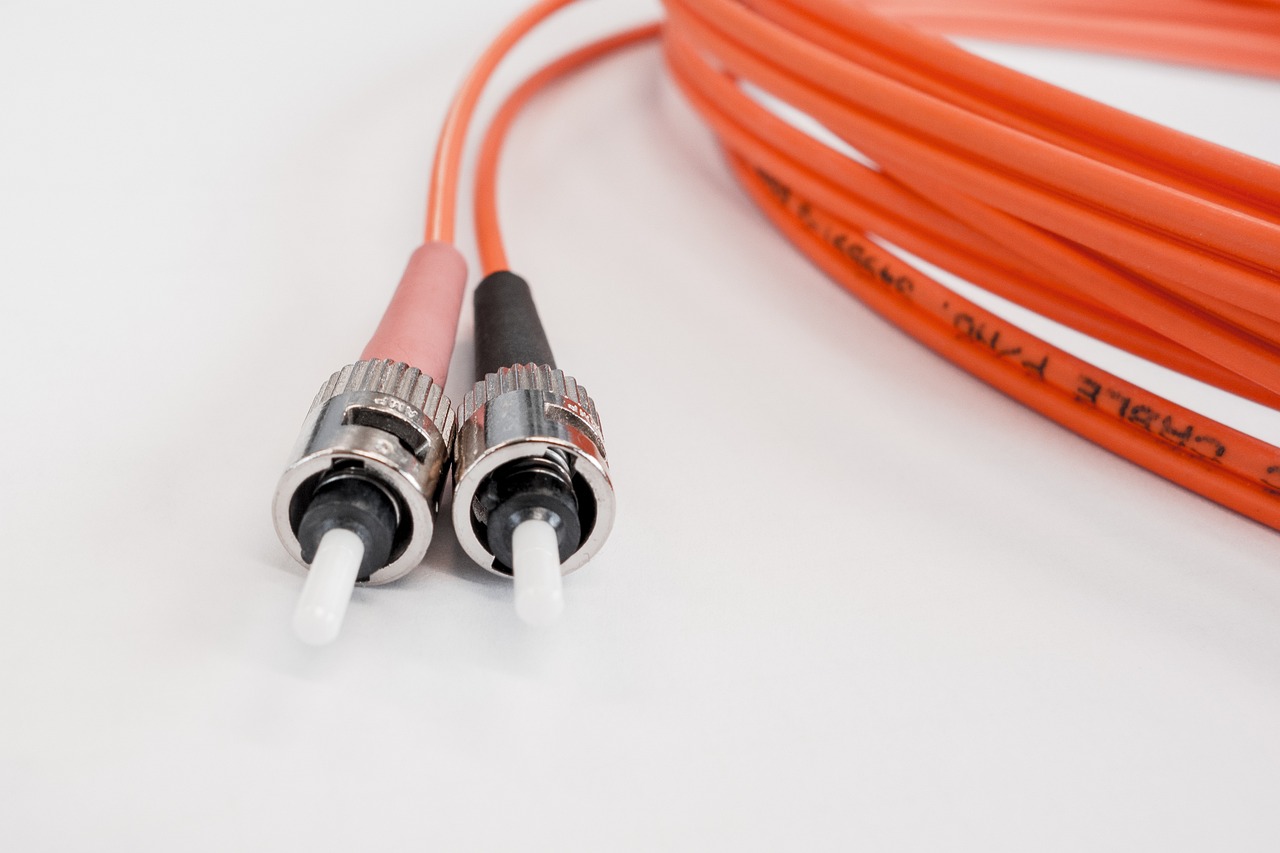
Imagine hair-thin strands of glass, capable of transmitting light signals over thousands of miles.
This was the brainchild of engineers like Charles Kao, who envisioned sending data as pulses of light, revolutionizing telecommunications.
The twist?
Fiber optics were originally deemed impractical and too expensive, yet their potential was undeniable.
Fast forward to today, and they are the backbone of our internet, enabling streaming, video calls, and instant communication across continents.
This leap not only transformed how the world connects but also laid the groundwork for the digital age we live in.
It’s astonishing to think that something as delicate as light traveling through glass has reshaped our everyday lives.
And as we explore the future of technology, one has to wonder: what other inventions are waiting to be discovered in the shadows of the past?