Design Revolution of the iPod
The iPod's sleek design and intuitive interface challenged the music industry and set new standards for portable media devices, paralleling the impact of the iMac on personal computing.
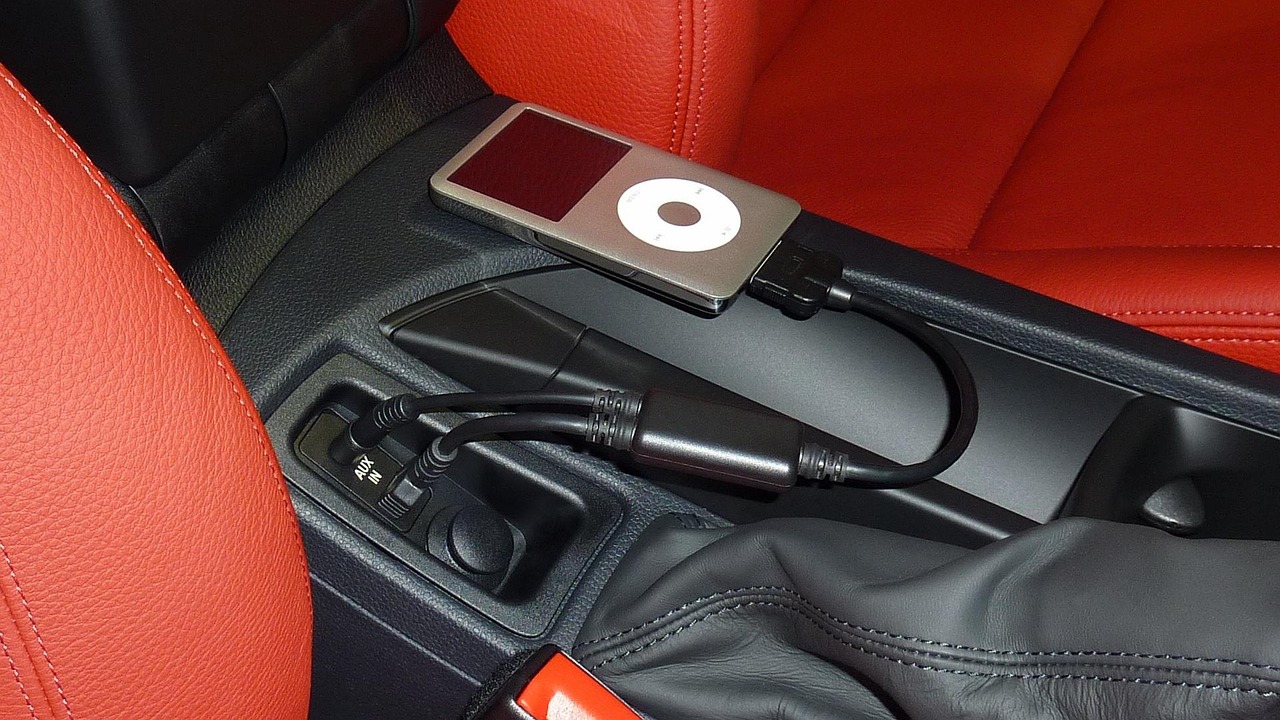
Imagine holding a device that not only plays your favorite songs but also transforms the way you think about music.
When the iPod first hit the market in 2001, it wasn't just a new gadget; it was a revolution.
With its minimalist design and user-friendly interface, the iPod captivated millions and challenged the very foundations of the music industry.
Gone were the days of bulky CD players and complicated controls.
Instead, Apple presented us with an elegant white casing, a simple click wheel, and the ability to carry an entire music library in your pocket.
This sleek design echoed the earlier impact of the iMac, which had redefined personal computing with its bold aesthetics and intuitive usability.
The iPod didn’t just change how we listened to music; it also reshaped how artists released their work and how consumers accessed it.
Digital downloads became the norm, and the iTunes Store emerged as a central hub for music enthusiasts.
But the influence of the iPod extends far beyond the music realm.
It paved the way for future devices, changing our expectations of what technology can do.
As we look back on its legacy, we must consider how such a small device had such a monumental impact—not just on our playlists, but on our entire relationship with music.
What could the next wave of innovation bring, and how will it transform our lives further?