Cultural Revival in 17th Century India
Shivaji's rise coincided with a broader cultural renaissance in India, highlighting how political movements can inspire artistic and spiritual rejuvenation.
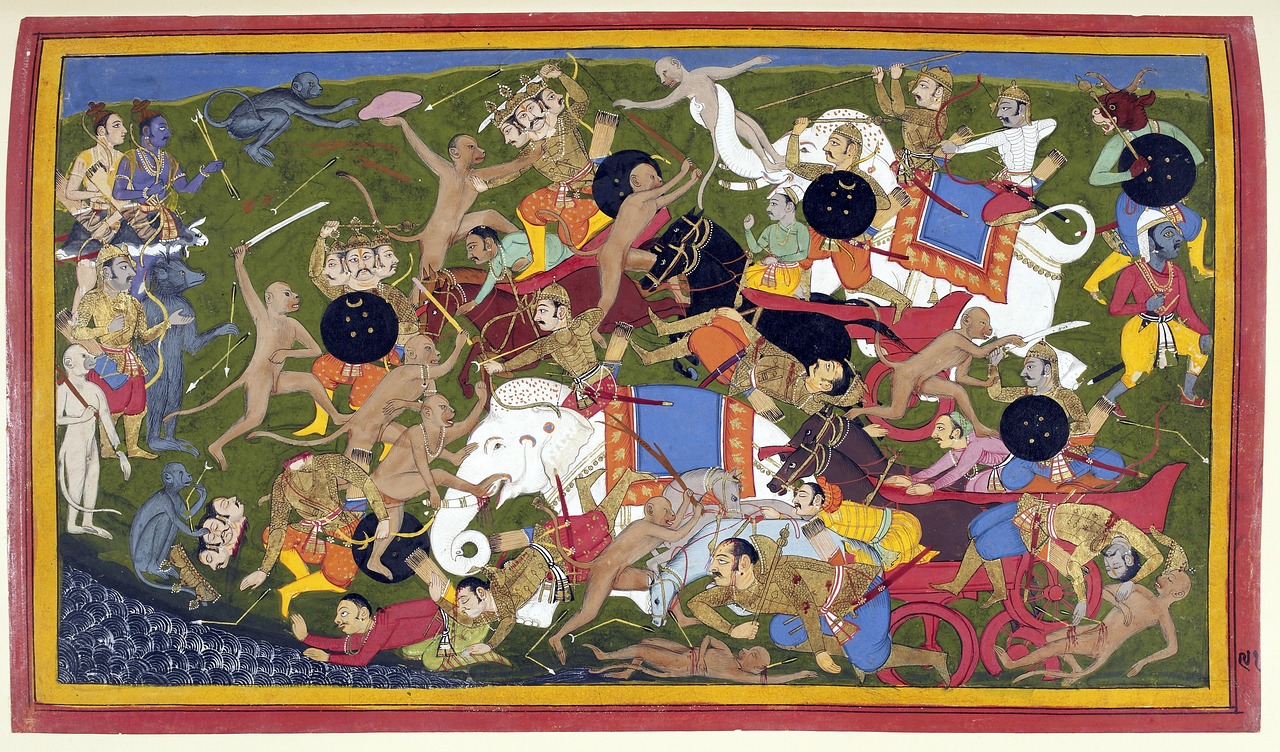
In the 17th century, as the sun rose over the Deccan Plateau, a young warrior named Shivaji was busy crafting a legacy that would change the course of Indian history.
But what many don't realize is that his rise to power wasn't just about conquering lands; it ignited a cultural renaissance that swept across the region like wildfire.
Picture this: artists, poets, and musicians flourished under Shivaji’s rule, inspired by the very spirit of resistance he embodied.
Temples were built, literature was revived, and the Marathi language blossomed—an act of defiance against the dominating Mughal Empire.
Here’s the twist: Shivaji wasn’t just a king; he became a cultural icon, uniting people through a common heritage and identity.
This transformation revealed a profound truth: political movements can spark artistic and spiritual awakenings, breathing life into cultures that may have otherwise been stifled.
In reflecting on this, one can’t help but wonder how many other revolutions throughout history have similarly nurtured the arts and ideas.
And as we ponder this, what other hidden connections between power and creativity might still be waiting to be uncovered?