Civil Rights Movements in Colonial India
Examining specific civil rights movements during the colonial period can illustrate how the INC's goals aligned with or diverged from other contemporary movements, offering a different perspective on
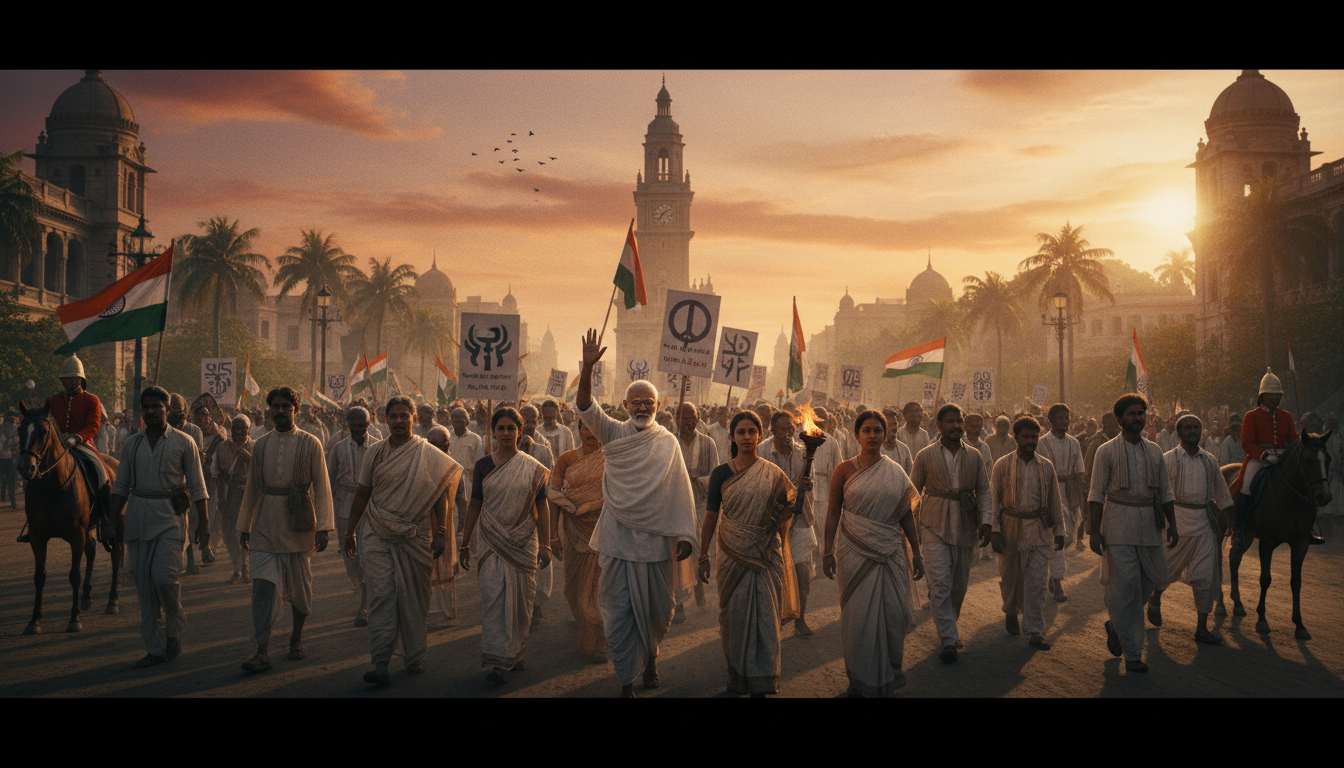
In colonial India, civil rights movements emerged as a response to oppressive British policies and social injustices, reflecting a growing demand for reform and autonomy.
The Indian National Congress (INC), formed in 1885, sought to represent Indian interests, but its goals often aligned with various other movements, such as the Swadeshi Movement, which promoted indigenous goods and self-reliance in the early 20th century.
Simultaneously, leaders like B.R.
Ambedkar advocated for the rights of marginalized communities, particularly the Dalits, pushing for social equality and justice.
The struggle for civil rights was further highlighted during events like the Jallianwala Bagh massacre in 1919, which galvanized national sentiment against British rule.
These movements were significant for laying the groundwork for India's eventual independence in 1947, illustrating how the fight for civil rights intertwined with broader nationalistic aspirations and highlighted the complexities of social justice in the colonial context.