Chhatrapati Shivaji: The Revival of Hindu Kingship
Chhatrapati Shivaji's coronation in 1674 marked a significant moment in Indian history, symbolizing the revival of Hindu kingship. This event not only established Shivaji's sovereignty but also ignited a sense of pride and identity among Hindus during a time of political uncertainty.
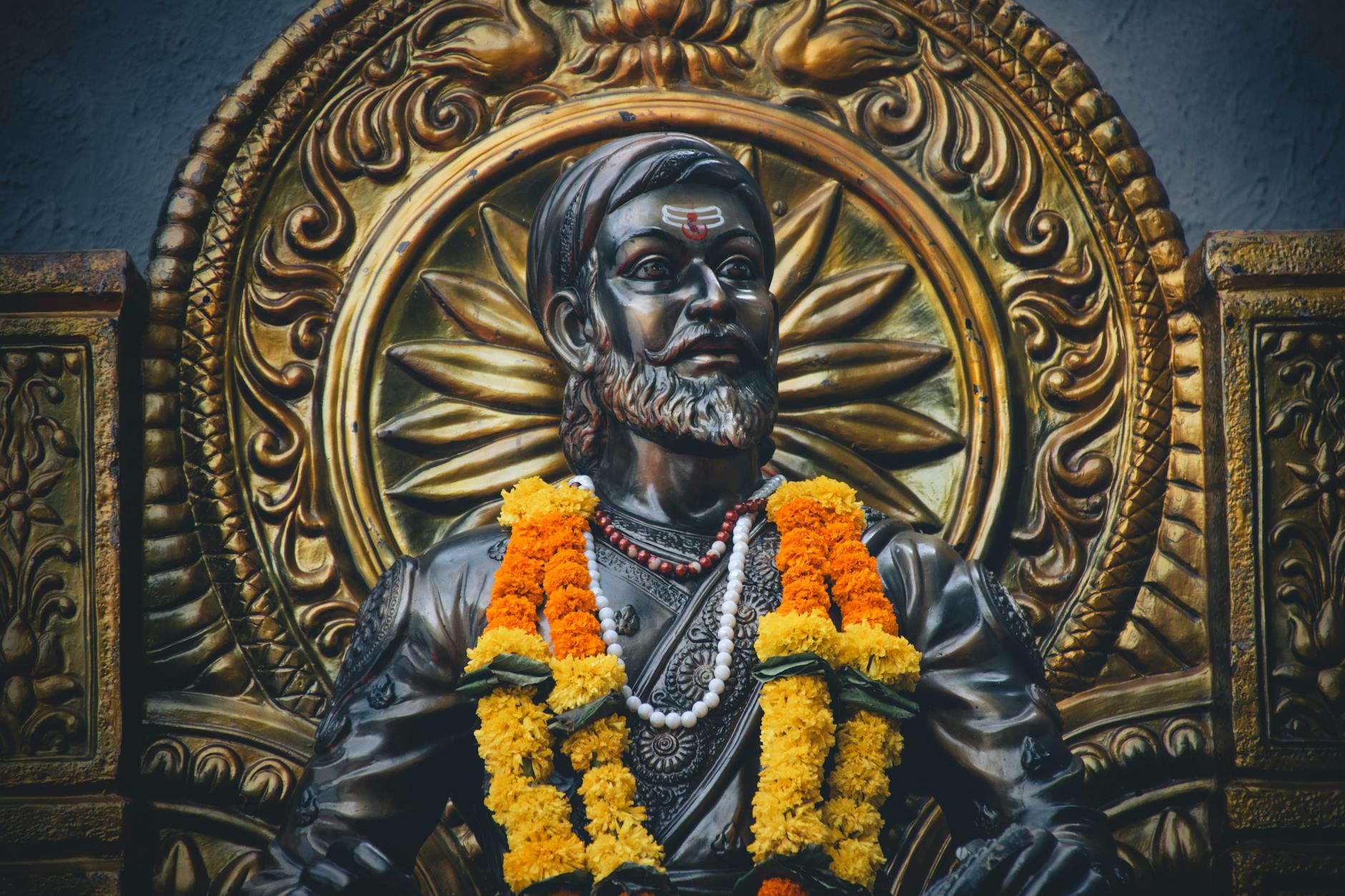
Imagine standing in a grand hall, the air thick with anticipation, as the momentous day of June 6, 1674, dawns.
This is when Chhatrapati Shivaji Maharaj was crowned, a pivotal event that would resonate through the ages.
Picture the vibrant colors of the ceremonial attire, the sound of drums echoing in the distance, and the scent of flowers filling the air.
For Shivaji, this wasn’t just a personal triumph; it represented a revival of Hindu kingship after centuries of foreign rule.
In an age characterized by the dominance of the Mughal Empire, Shivaji's coronation symbolized a bold assertion of identity and sovereignty for the Marathas and the broader Hindu community.
His title, 'Chhatrapati,' meaning 'King of the Umbrella,' signified not just his royal status but also his role as the protector of his people.
As he took his oath of leadership, he galvanized support among his followers, inspiring a fierce loyalty that would lead to the establishment of a formidable empire.
This event was more than a royal ceremony; it was a cultural renaissance, sparking a revival of Hindu pride and governance that would challenge the prevailing narrative of subjugation.
So, how did Shivaji's legacy continue to influence the political landscape of India long after his time?
Let’s delve deeper into the impact of his reign and the enduring spirit of resistance he ignited.