Can You Master the Intricacies of Bharatanatyam Dance Techniques?
Understanding the specific techniques of Bharatanatyam will deepen the knowledge of how Natya Shastra principles are applied in this particular dance form, providing a practical perspective on the the
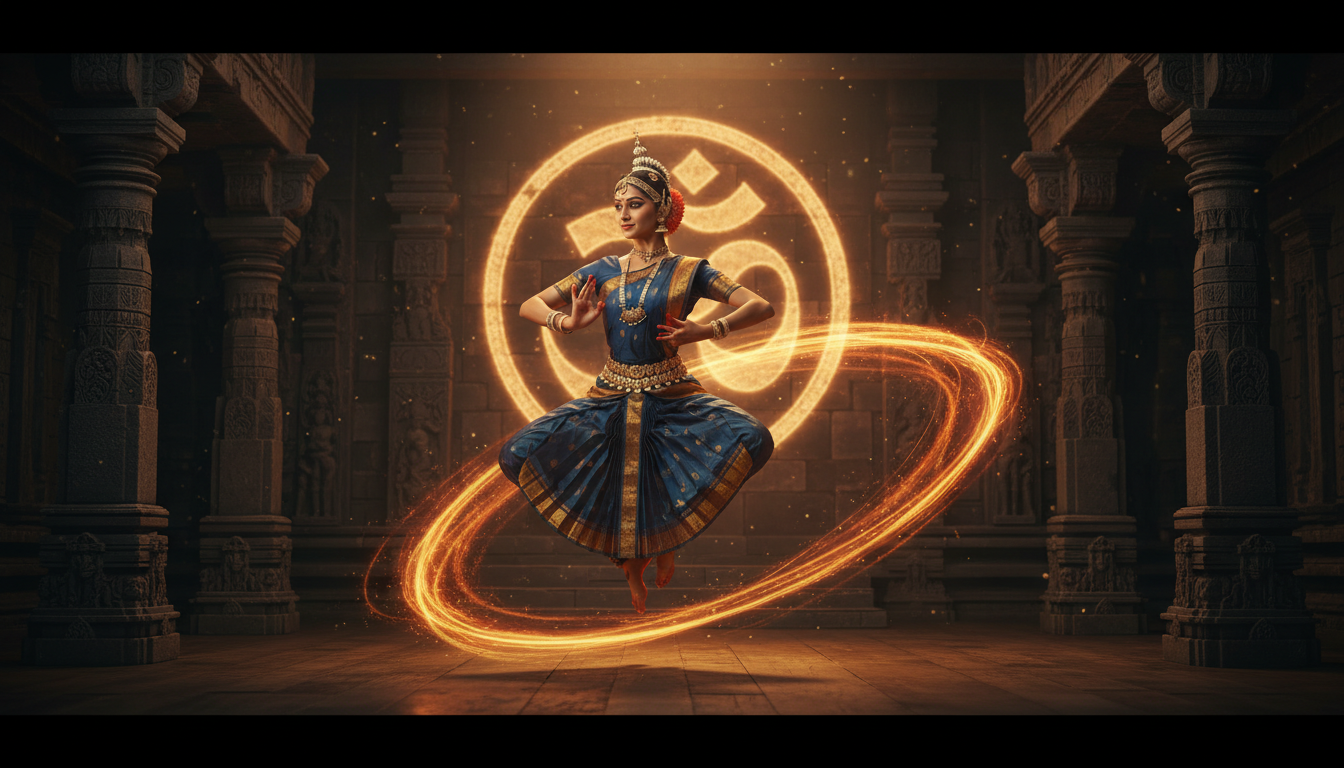
Bharatanatyam, one of the oldest classical dance forms of India, employs a variety of techniques derived from the Natya Shastra, an ancient treatise on performing arts.
The dance is characterized by intricate footwork (adavus), expressive hand gestures (mudras), and facial expressions (abhinaya) that convey emotions and narratives.
Each performance typically follows a structured format, beginning with an invocation (pushpanjali) and moving through various pieces that showcase rhythm (tala), melody (raga), and storytelling.
The use of specific postures (araimandi) and transitions is essential for maintaining the aesthetic and spiritual essence of the dance.
Bharatanatyam also integrates elements of improvisation, allowing dancers to adapt while adhering to traditional frameworks.
This dance form not only preserves cultural heritage but also reflects the socio-religious context of South India, making it a vibrant medium for storytelling and artistic expression.