Calendar Reform in Ancient Egypt
The ancient Egyptian civil calendar was one of the earliest structured timekeeping systems, featuring a 365-day year that significantly influenced later calendar systems, including the Julian and Greg
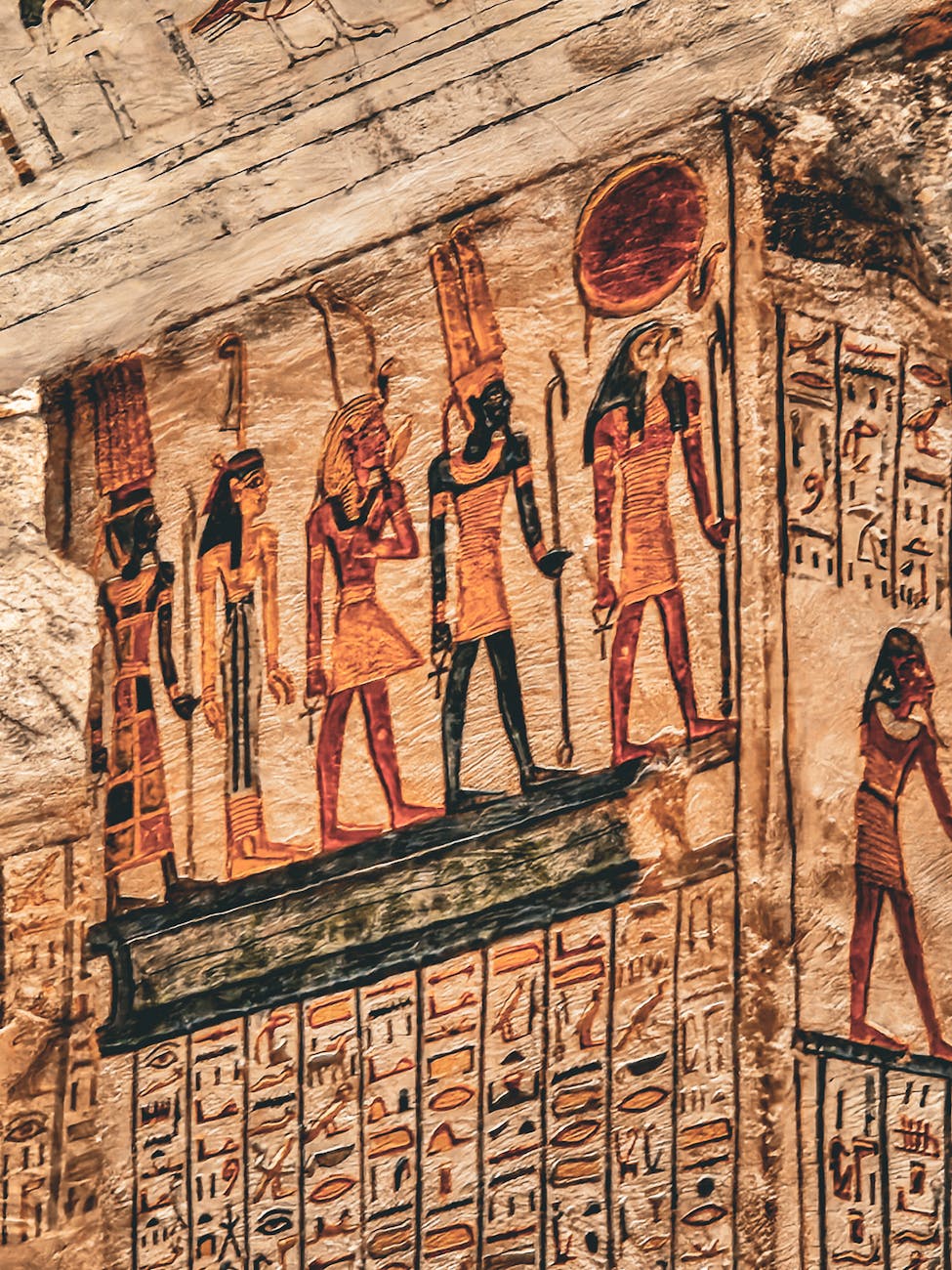
In the hushed corridors of time, beneath the scorching Egyptian sun, a monumental decision was brewing.
Priests, adorned in linen, meticulously observed the stars, their eyes tracing the celestial dance of the heavens.
With the scent of papyrus and incense wafting through the air, they devised a calendar that would alter humanity's perception of time forever: a 365-day year.
Wait, what?
The ancient Egyptians, with their deep reverence for the Nile and the cycles of nature, created a system that not only organized their agricultural life but also laid the groundwork for the Julian and Gregorian calendars we rely on today.
This remarkable structure redefined how civilizations understood seasons, festivals, and daily life.
What other secrets lie buried in the sands of Egypt, waiting to reshape our modern world?