Ancient Greek Fire Mystery
The enigmatic weapon known as Greek fire, which could ignite on water, prompts exploration of historical chemical warfare and its lasting impact on battle tactics.
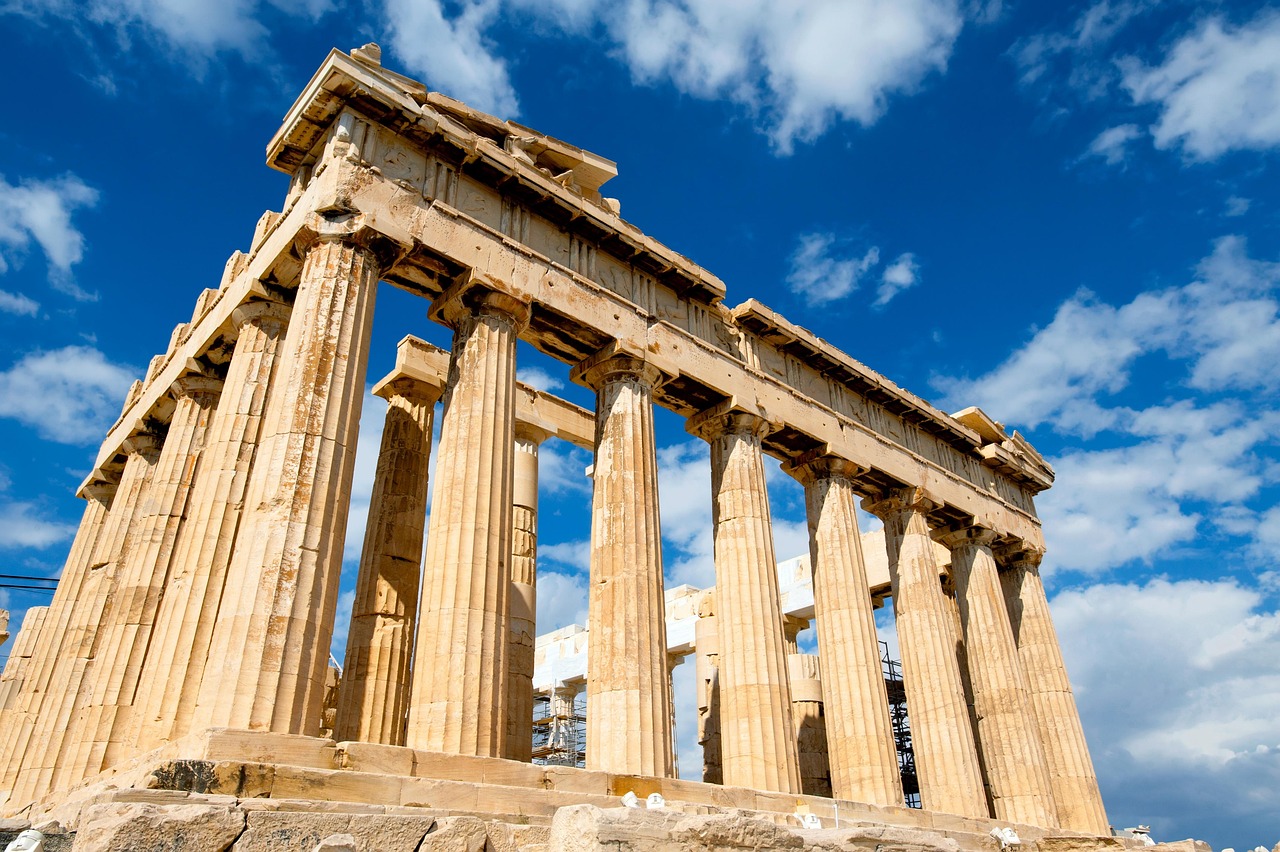
In the 7th century, a fleet of Byzantine ships sailed into battle with a secret weapon so fearsome that it could ignite even on water.
This weapon, known as Greek fire, left enemies terrified and baffled, as it could not be extinguished by conventional means.
Imagine the scene: the sun glinting off the waves, ships lined up for battle, when suddenly, flames erupted from the enemy vessels, creating chaos on the sea.
It was said that Greek fire could burn through wood, metal, and even water, leaving behind only the charred remains of those who fell victim to its wrath.
But here’s the twist—despite its game-changing power, the exact formula for Greek fire was never recorded, shrouding it in mystery.
Historians speculate that it may have been a concoction of substances like naphtha, quicklime, and sulfur, but the truth remains elusive.
This ancient chemical warfare tactic not only shifted the tide of battles but also influenced naval strategies for centuries to come.
The legacy of Greek fire continues to spark debates among researchers and historians, prompting us to ponder: what other secrets of the past remain hidden, waiting to be uncovered?
And what if the key to a revolutionary discovery lies in something as obscure as a forgotten recipe from a bygone era?