Alexander the Great's Indian Campaign
Chandragupta's rise was partly influenced by the power vacuum left by Alexander the Great's invasion, sparking a transformation in Indian leadership.
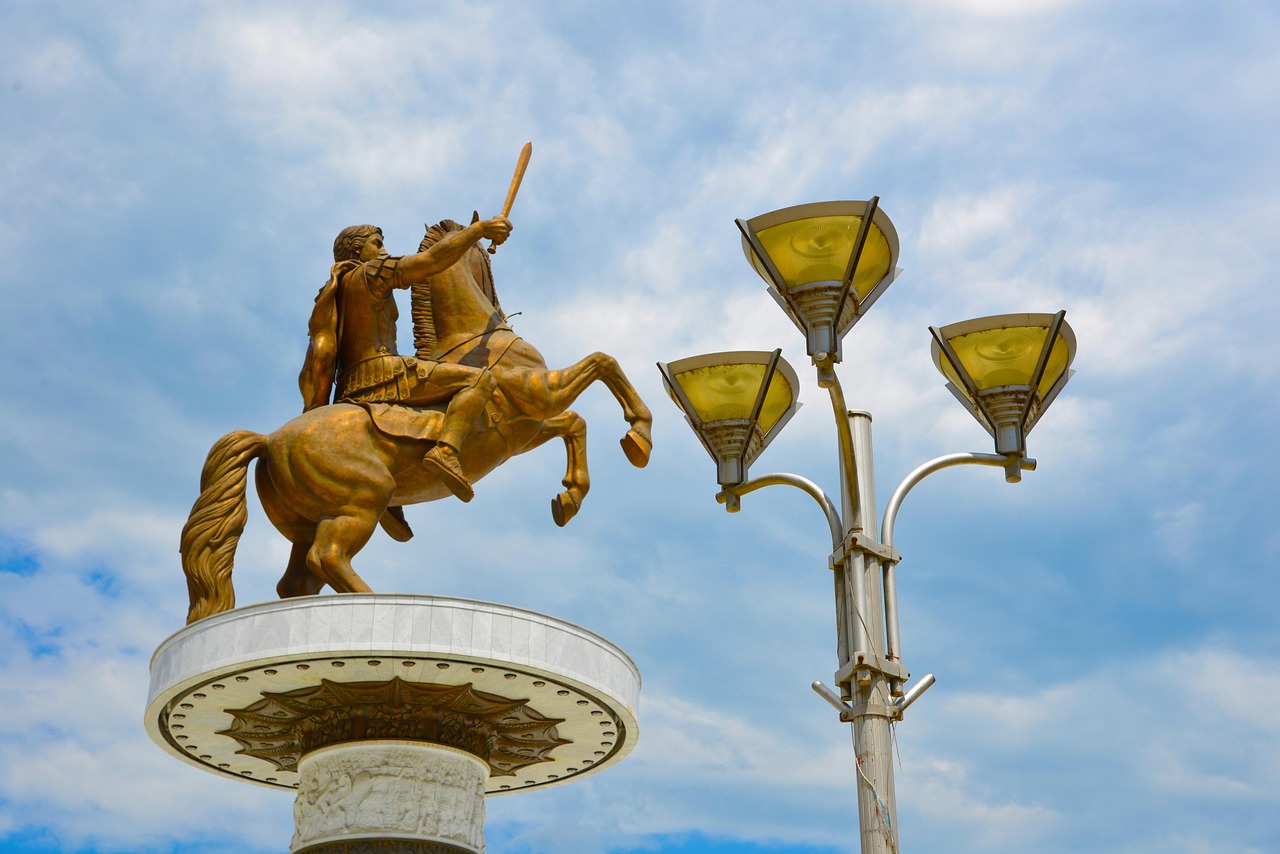
In 326 BCE, as Alexander the Great marched into the heart of India, he encountered not just a vast land, but a turning point in history.
Picture an army, famed for its ferocity, clashing against Indian warriors who were equally determined to protect their homeland.
But what happened next is often overshadowed by tales of conquest and glory.
Amid the dust and chaos of battle, a young leader named Chandragupta Maurya began to rise.
With Alexander's invasion creating a power vacuum, local rulers were thrown into disarray, and it was in this moment of uncertainty that Chandragupta saw his opportunity.
He united various factions, leveraging the discontent among the people towards foreign rule.
Surprisingly, Alexander's campaign, which was meant to establish Greek dominance, inadvertently fueled the birth of one of India's greatest empires.
Chandragupta went on to establish the Maurya Empire, which would become a beacon of culture and governance in ancient India.
This twist of fate reminds us that sometimes, what looks like destruction can plant the seeds for something magnificent.
Imagine how different the landscape of history would have been if Alexander had never crossed the Indus River.
This intersection of cultures and ambitions raises a question: what other unexpected alliances and transformations have shaped our world?